28,742 people live in Capitol Hill, where the median age is 35 and the average individual income is $102,845. Data provided by the U.S. Census Bureau.
Total Population
Median Age
Population Density Population Density This is the number of people per square mile in a neighborhood.
Average individual Income
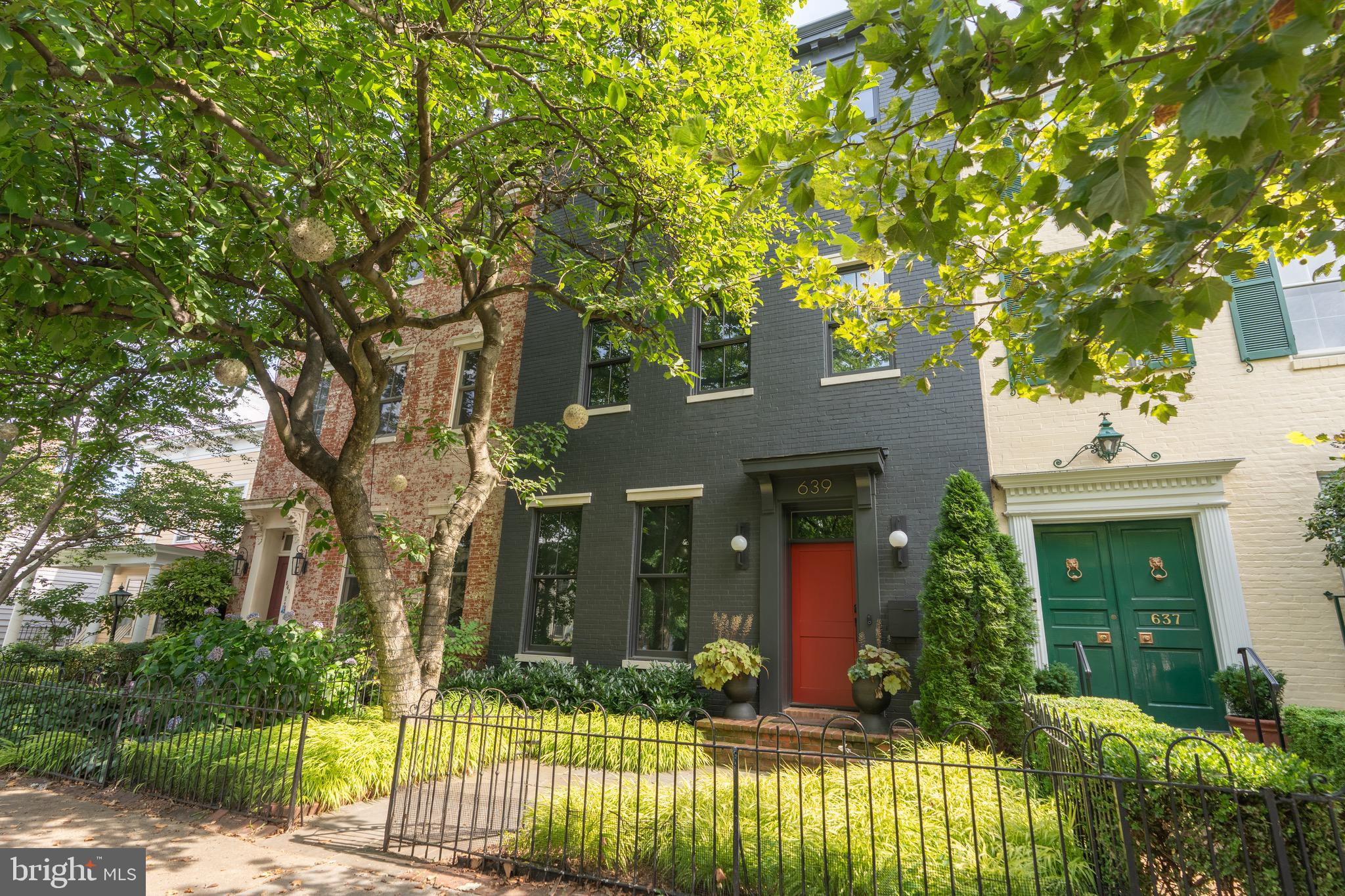
DC's largest residential historic district — where Federal rowhouses dating to the early 1800s sit alongside the Supreme Court, Eastern Market, and some of the most walkable blocks in the city. For buyers who want to live inside American history, Capitol Hill is the neighborhood.
Capitol Hill is one of those neighborhoods that looks effortless from the outside — beautiful blocks, unbeatable location, iconic character — and quietly competitive from the inside. Homes on East Capitol Street and the Lincoln Park blocks rarely sit long. Understanding the market, the micro-neighborhoods, and what each street actually offers is the difference between finding the right home and losing it to someone who already knows. This guide gives you that foundation.
Capitol Hill DC: Key Facts for Buyers
If you're serious about this neighborhood, the right time to talk to a local expert is before you're competing on a deadline — not during it.
Talk to The Jeanne Phil Meg Team →Capitol Hill's story begins alongside the nation itself. As Washington DC was being planned in the late 18th century, Pierre Charles L'Enfant chose the site of the Capitol Building on what he described as "a pedestal waiting for a monument." That decision set the foundation for the neighborhood now known as Capitol Hill.
One of the oldest residential communities in the city, Capitol Hill first served as home to members of Congress and their families, government clerks, craftsmen, and laborers building the young capital. Rowhouses began rising in the early 1800s in Federal and Victorian styles, many of which still line the neighborhood's tree-canopied streets today. Eastern Market, opened in 1873, and Marine Barracks Washington, established in 1801, reflect the area's long-standing civic and military roots.
In 1976, Capitol Hill was designated a historic district — now the largest of its kind in DC — preserving the unique architecture and cultural fabric that define the area. Today it remains a living neighborhood that blends history, civics, and community in one cohesive, walkable district.
| Style | Era | Key Features | Where Found |
|---|---|---|---|
| Federal Rowhouse | Early 1800s | Flat façades, dormer windows, classic brickwork | Throughout historic district |
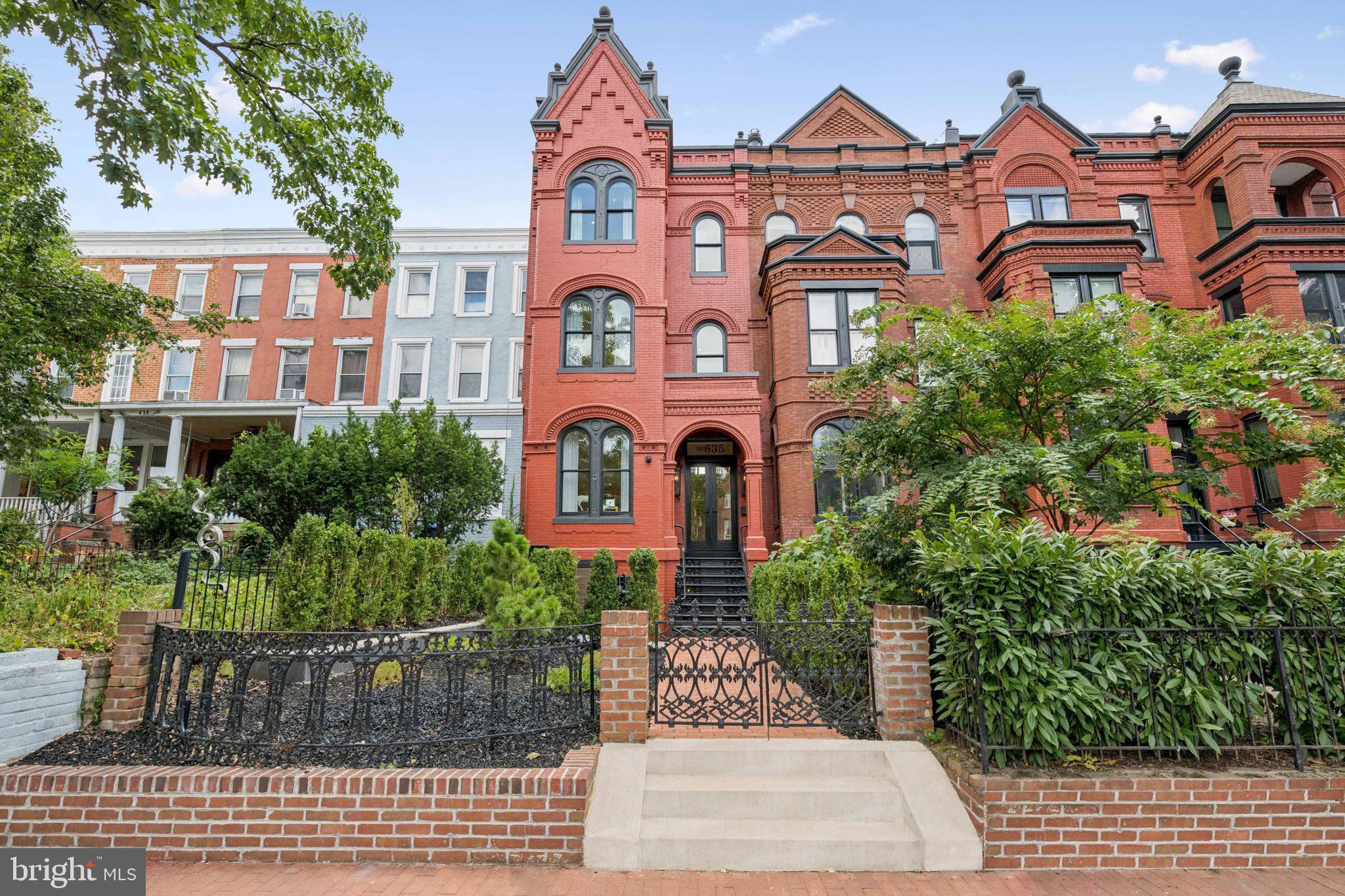
| Queen Anne | Late 1800s | Turrets, stained glass, ornate woodwork, asymmetry | Hill East, Capitol Hill SE |
| Romanesque Revival | 1880s–1900s | Round arches, rusticated stone, heavy masonry | Capitol Hill SE, NE blocks |
| Italianate | Mid-to-late 1800s | Tall windows, decorative cornices, bracketed rooflines | Scattered throughout historic district |
| Beaux-Arts | Late 1800s–early 1900s | Classical symmetry, elaborate ornamentation | Near Pennsylvania Ave |
| Contemporary Infill | 2000s–present | Sleek lines, open interiors, modern materials | Potomac Ave corridor, Navy Yard |
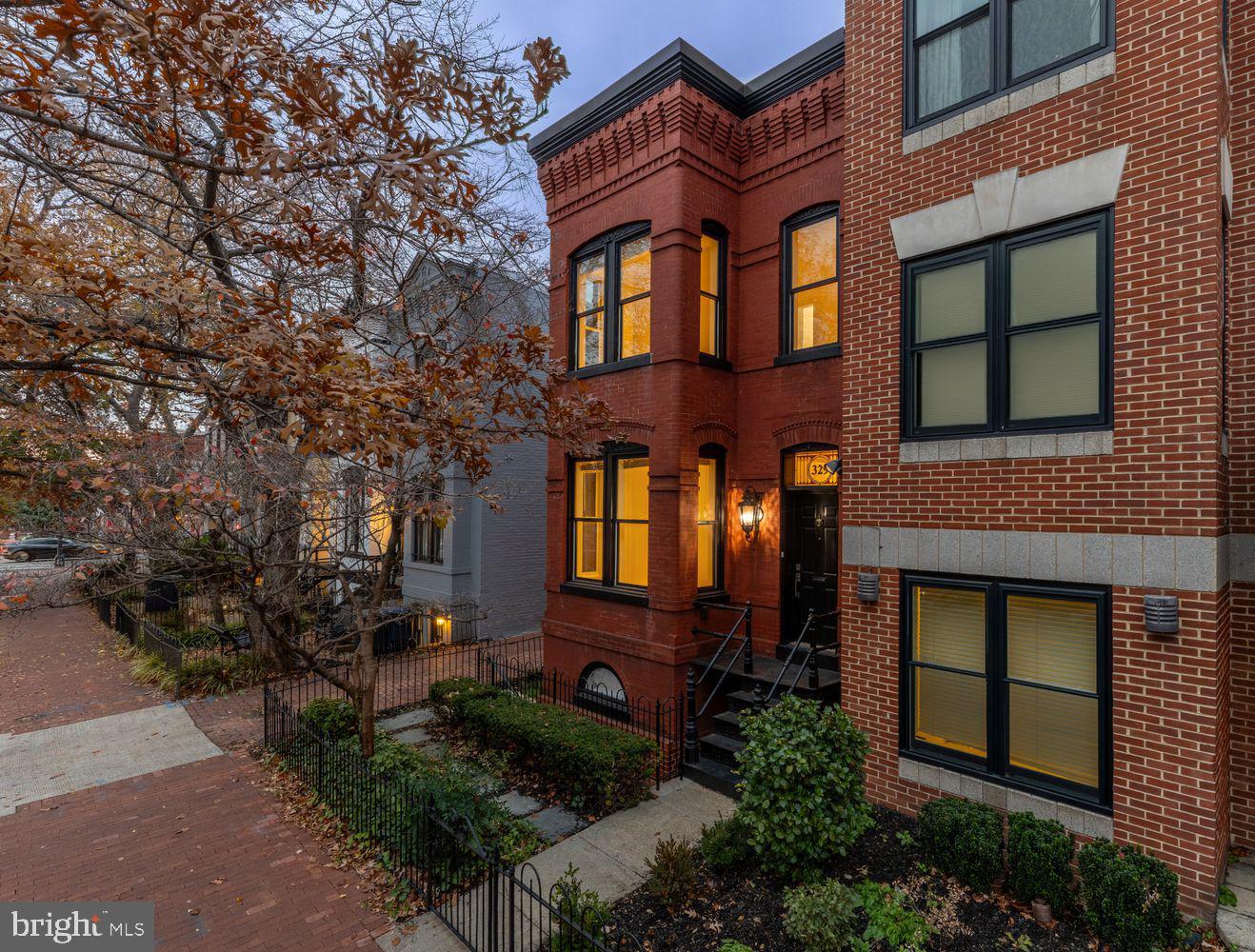
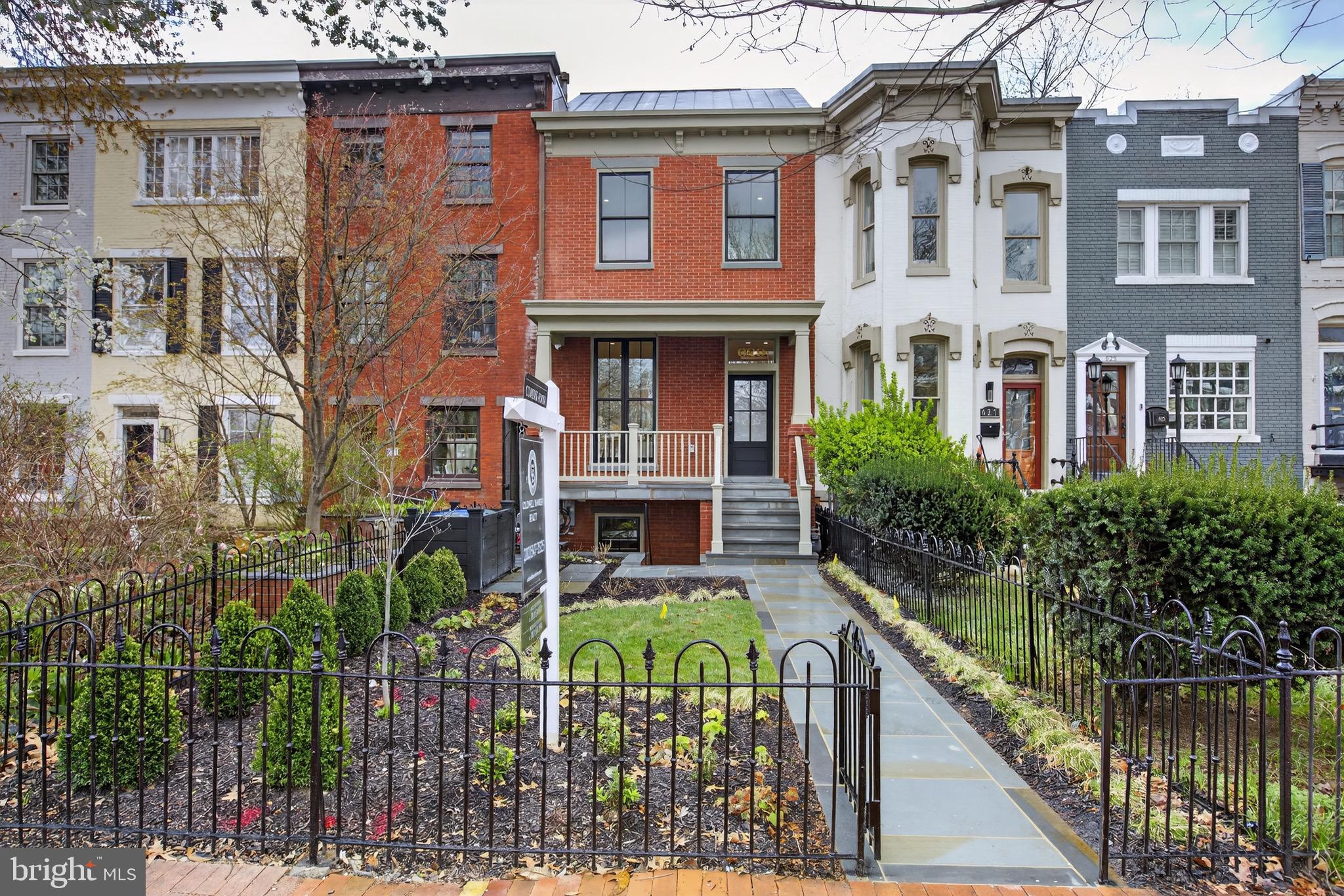
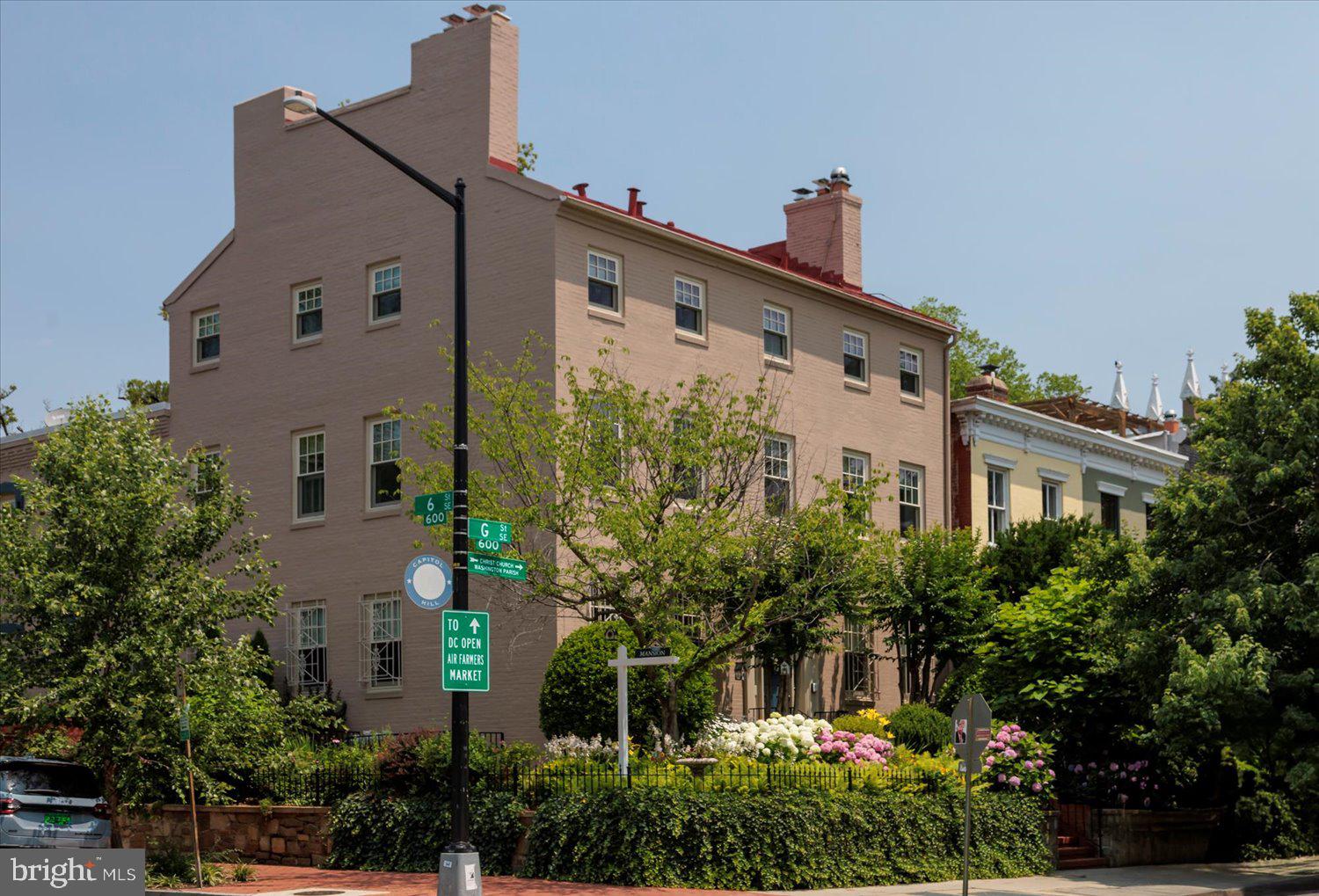
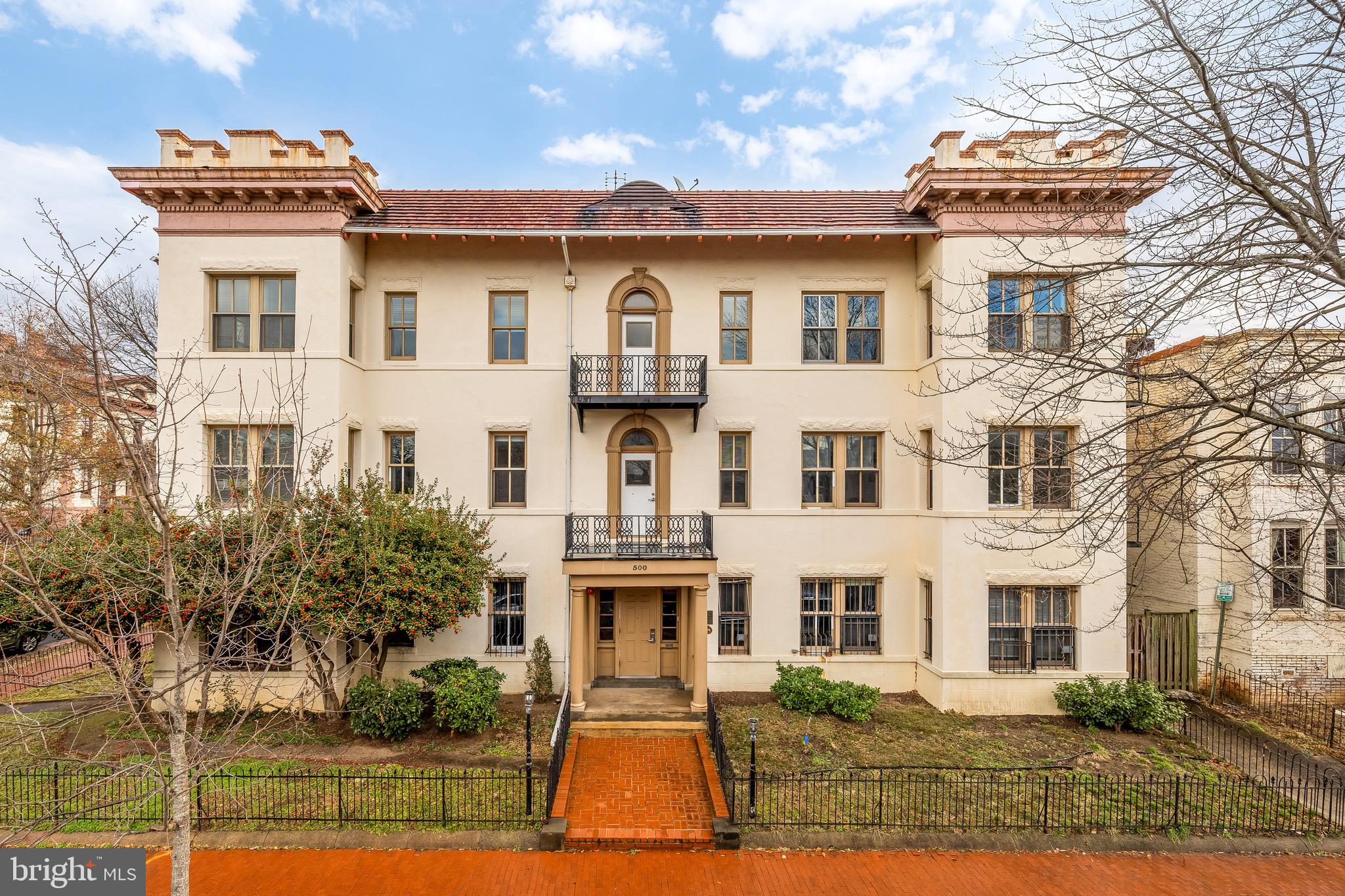
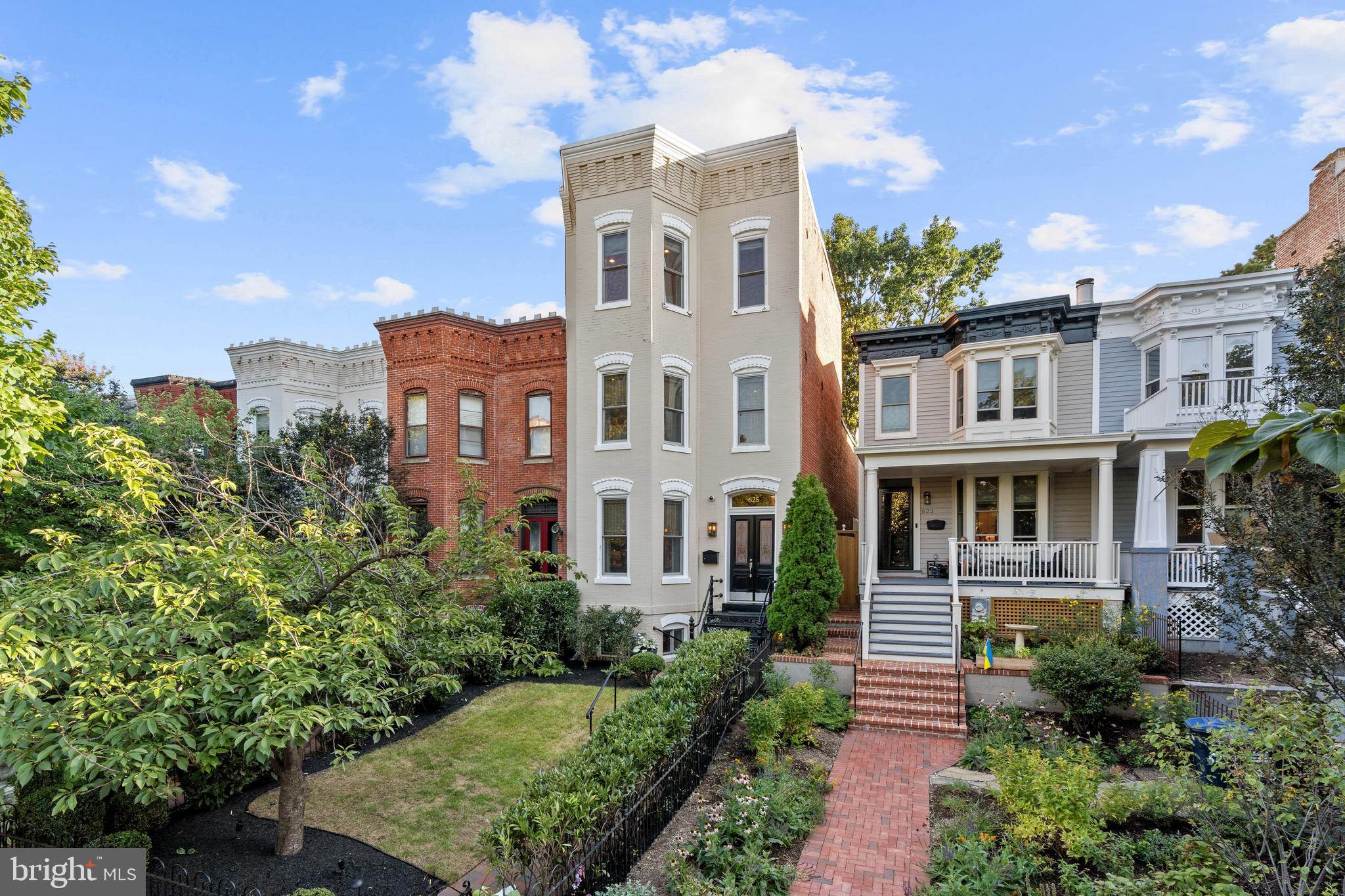
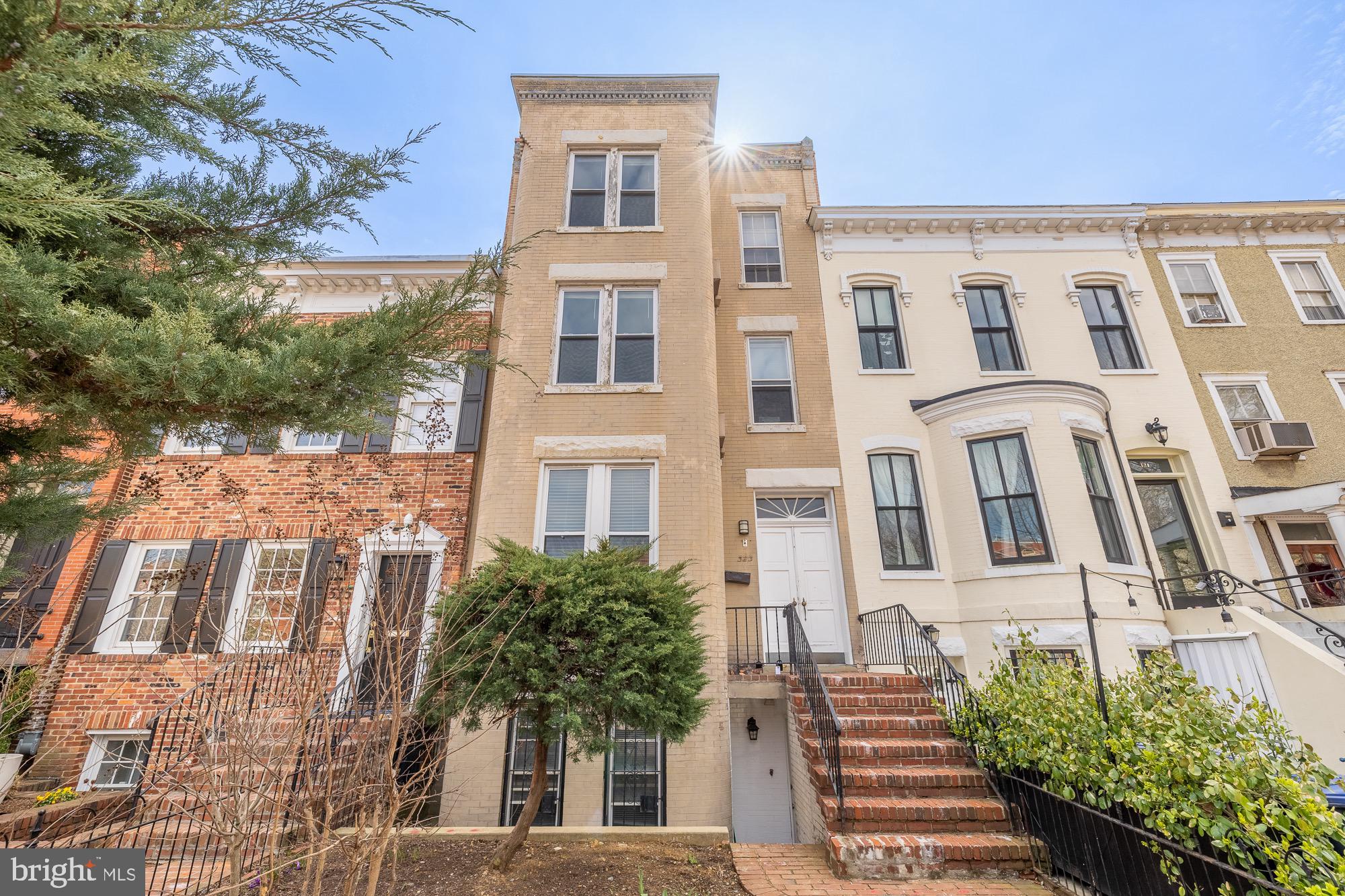
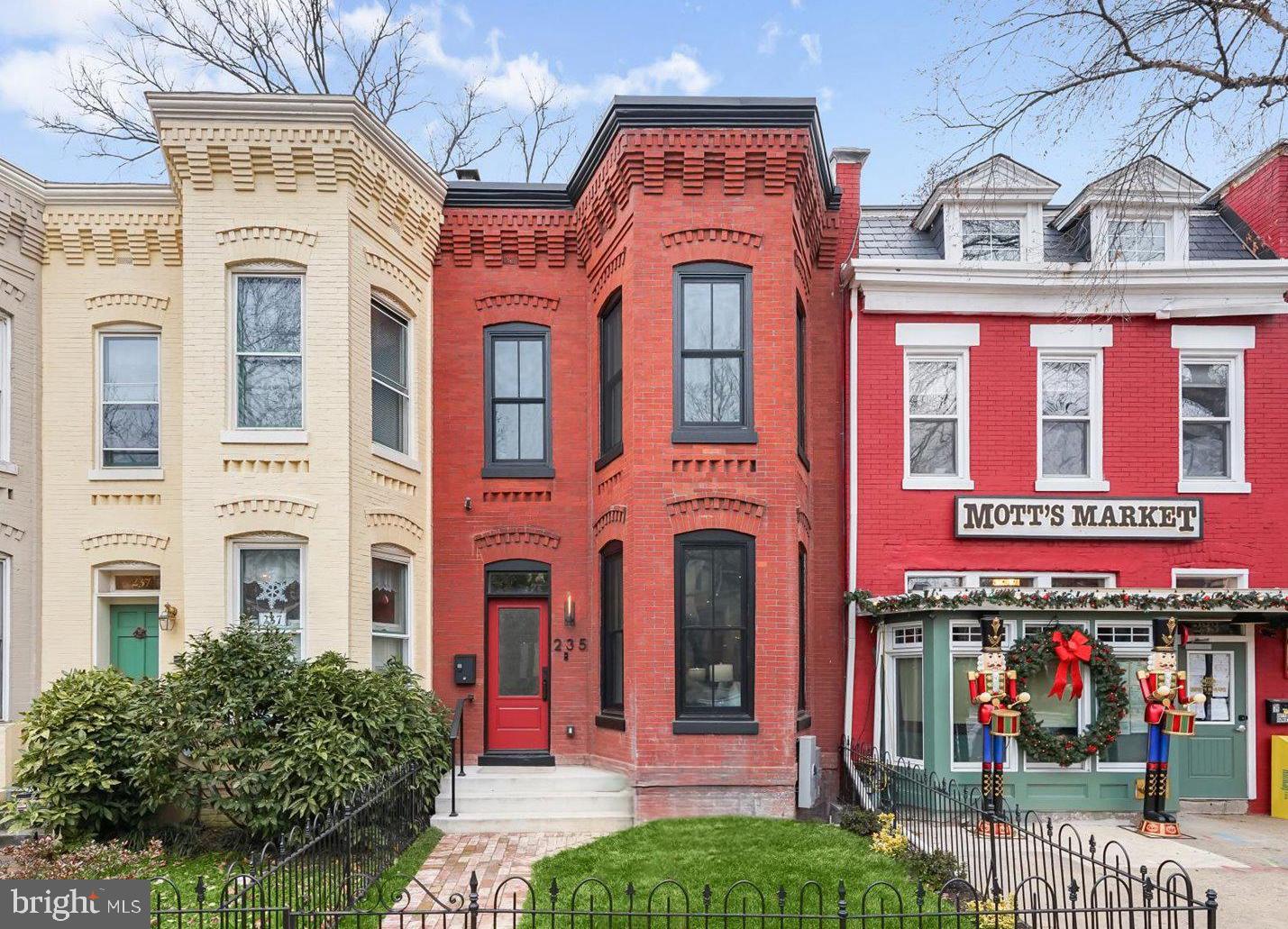
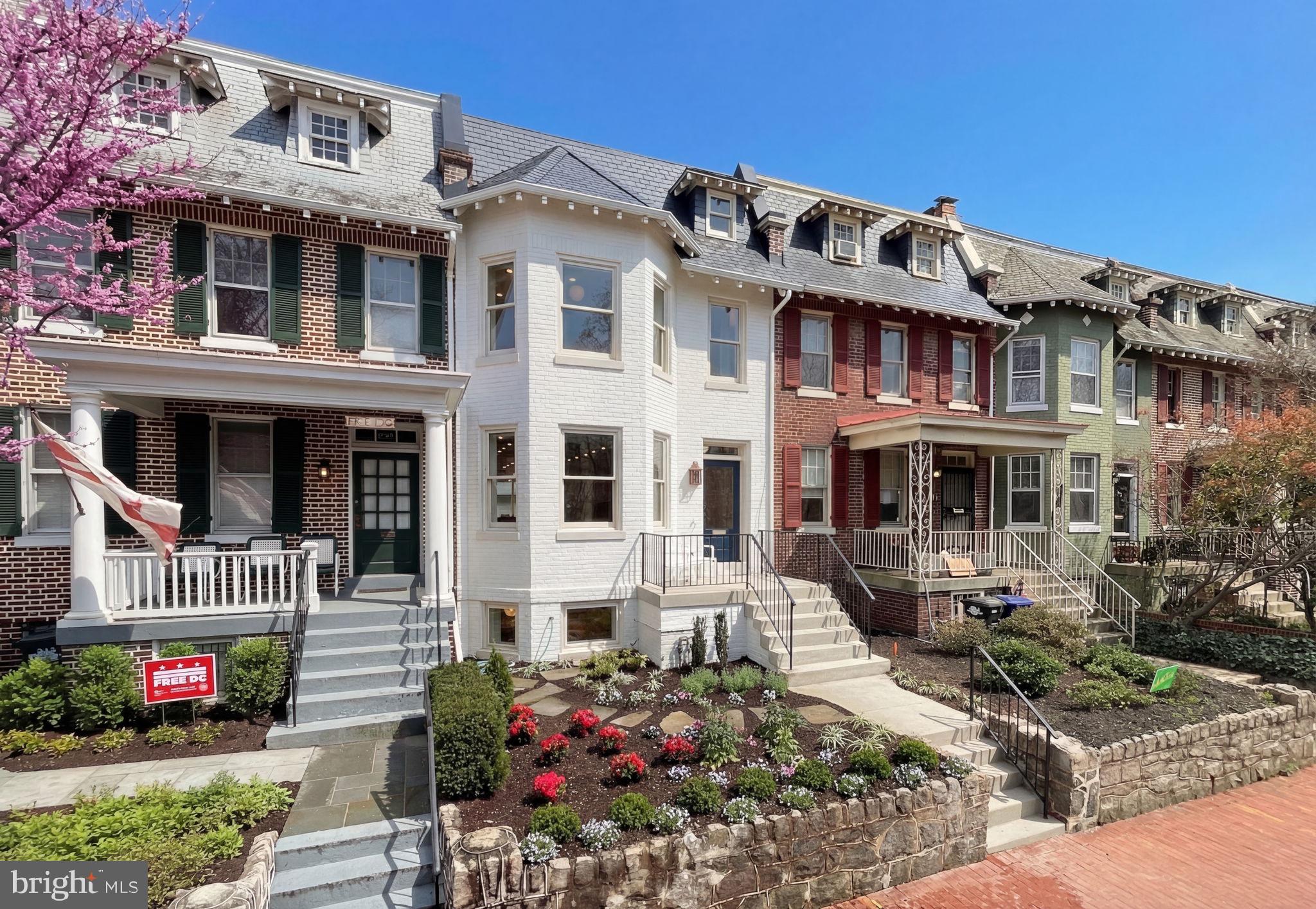
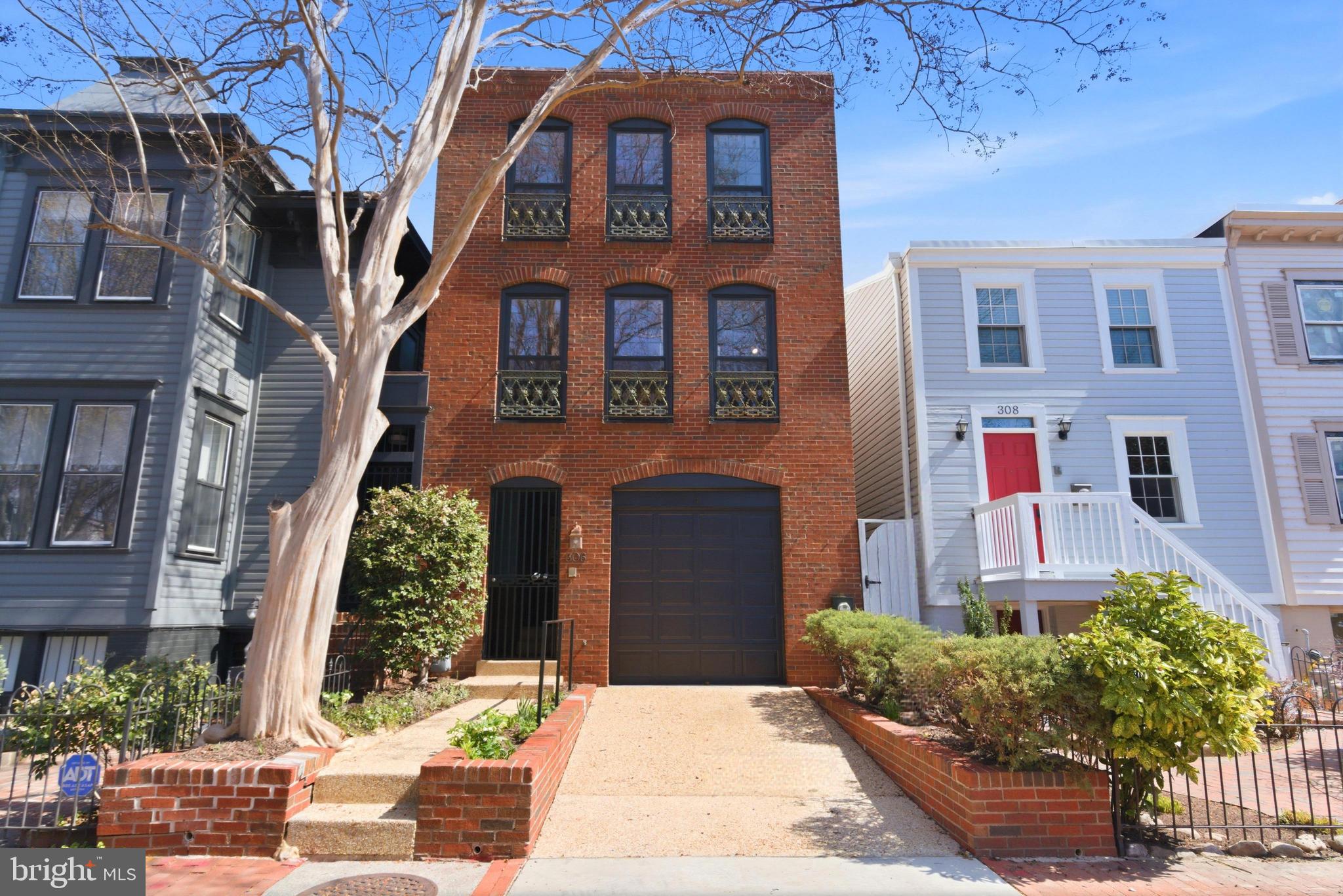
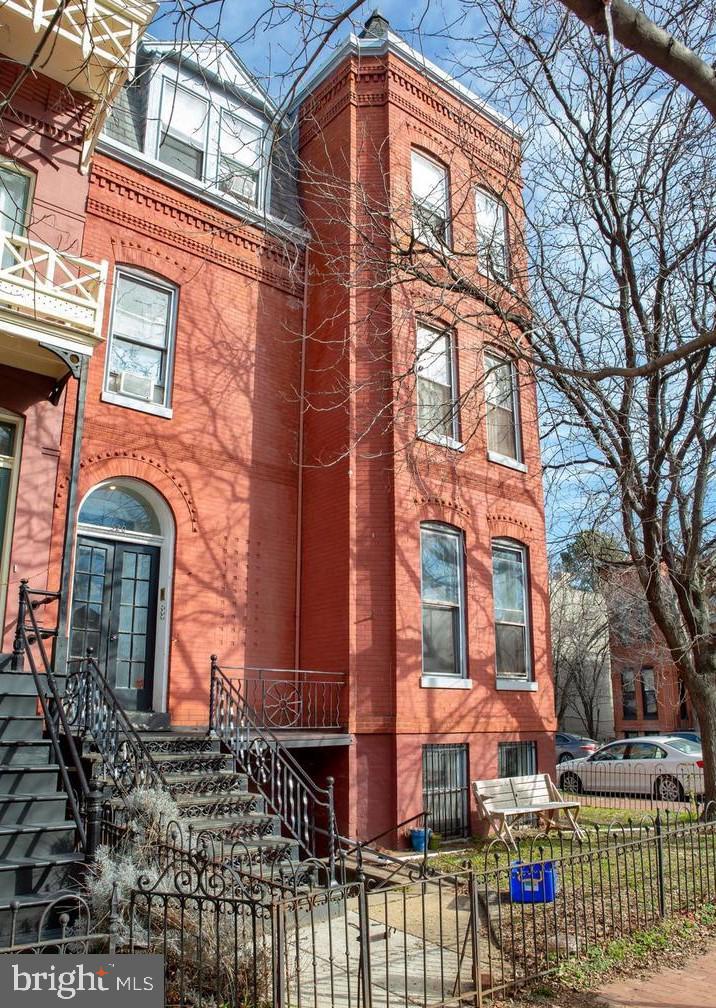
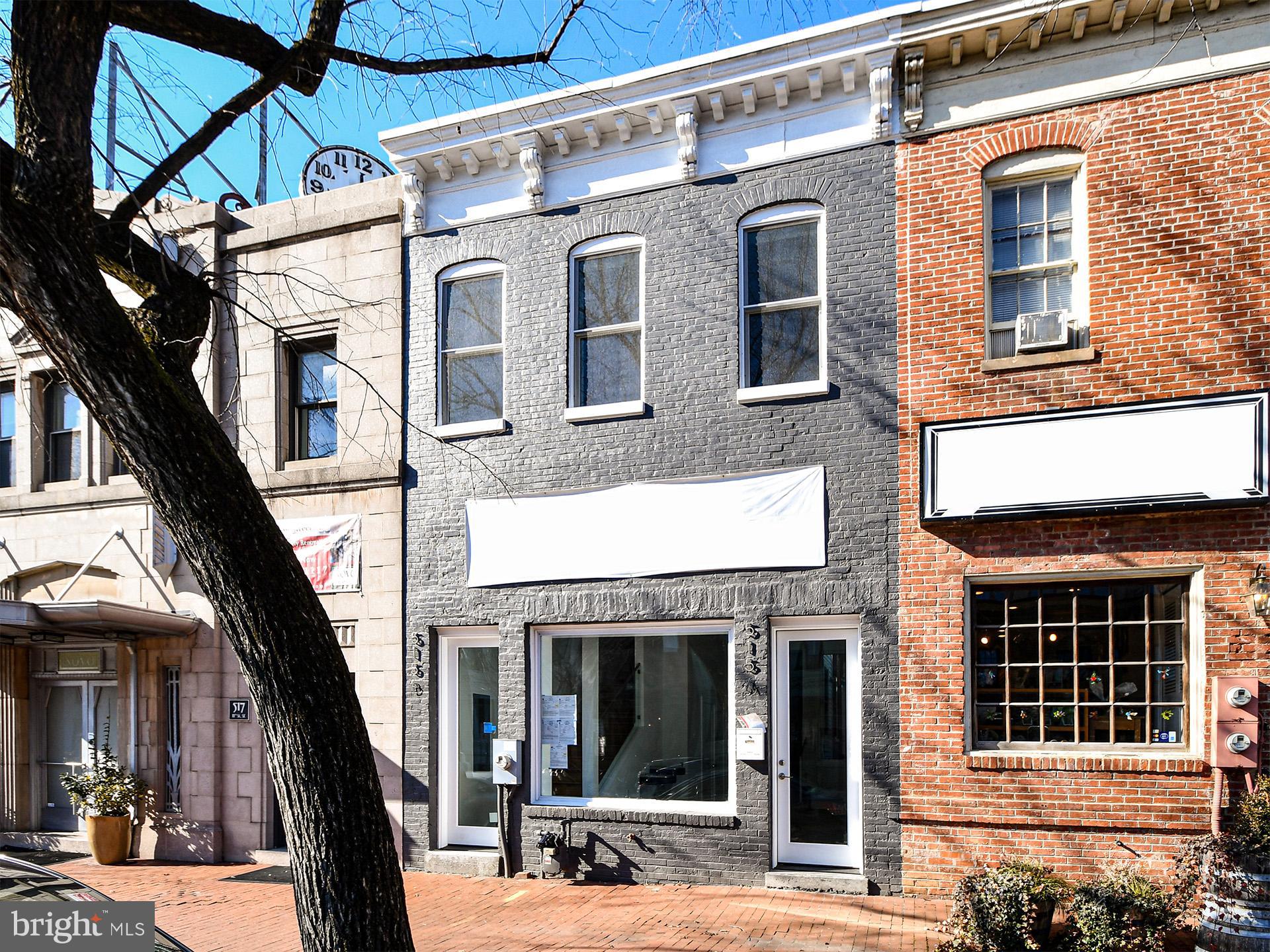
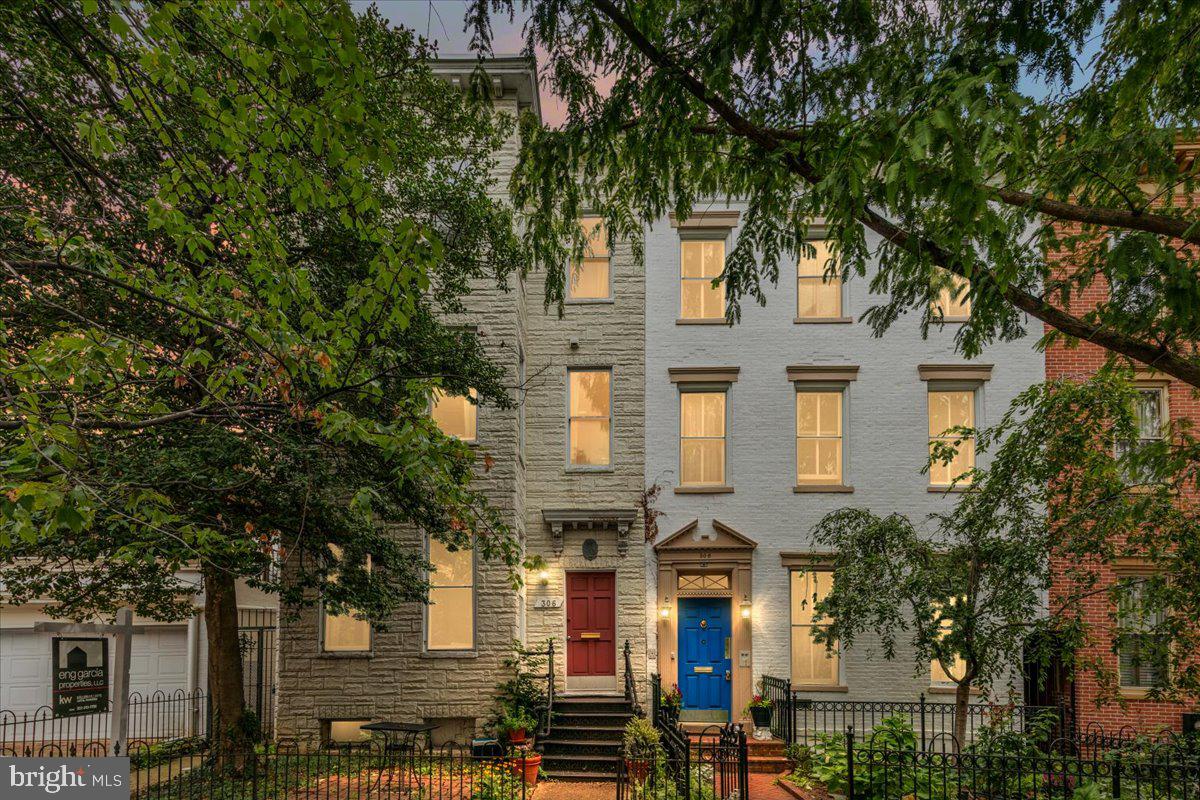
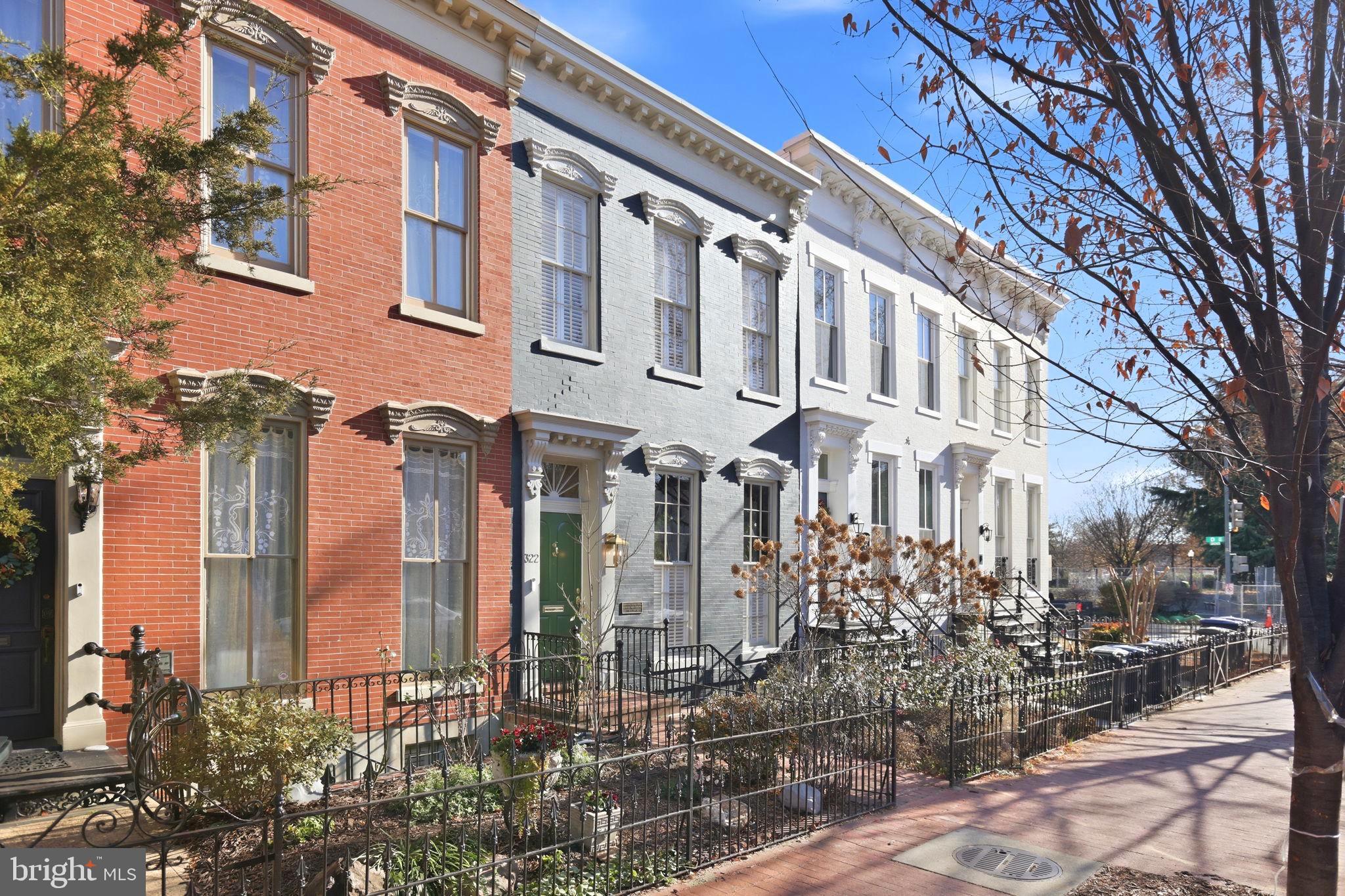
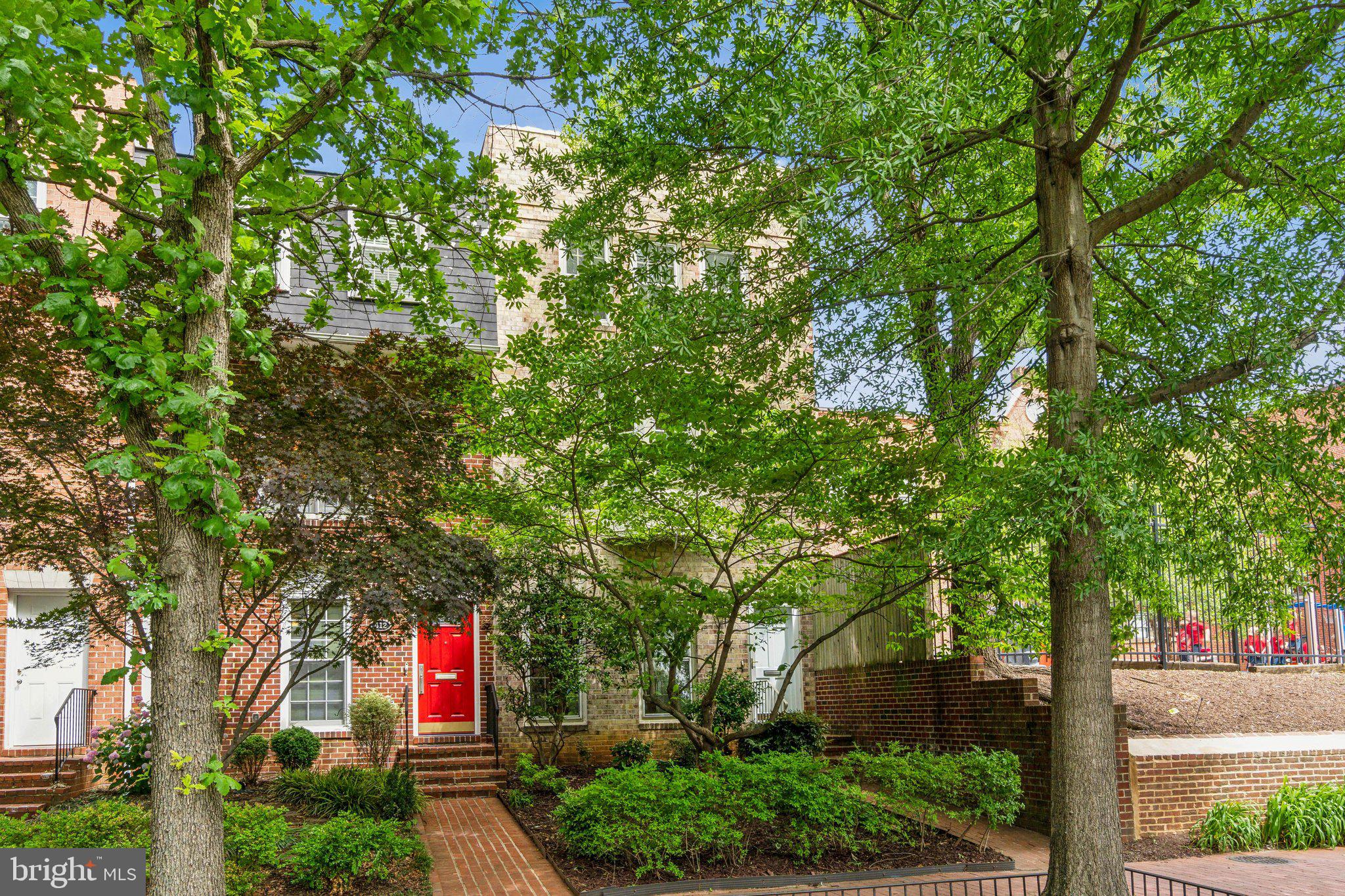
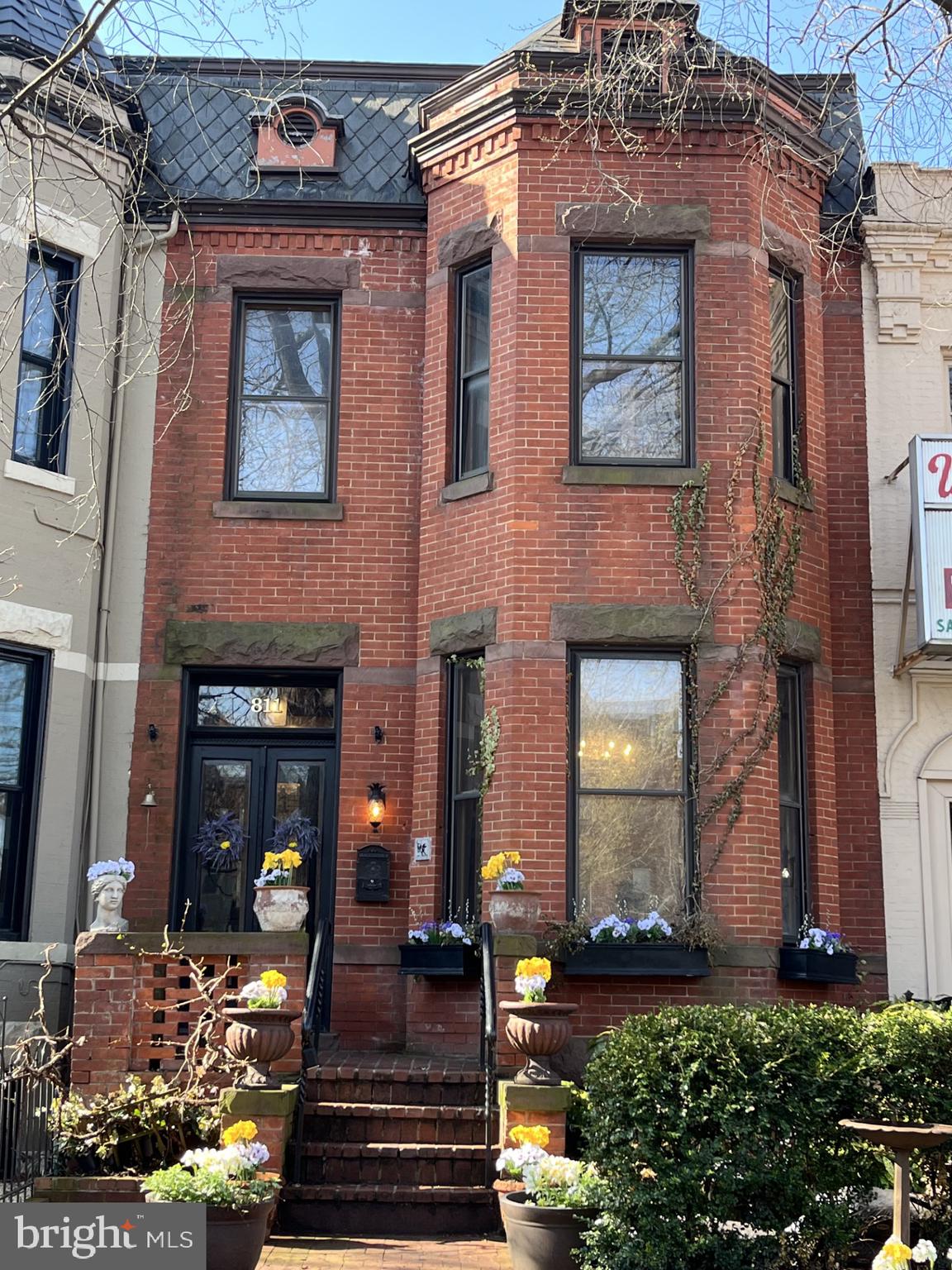
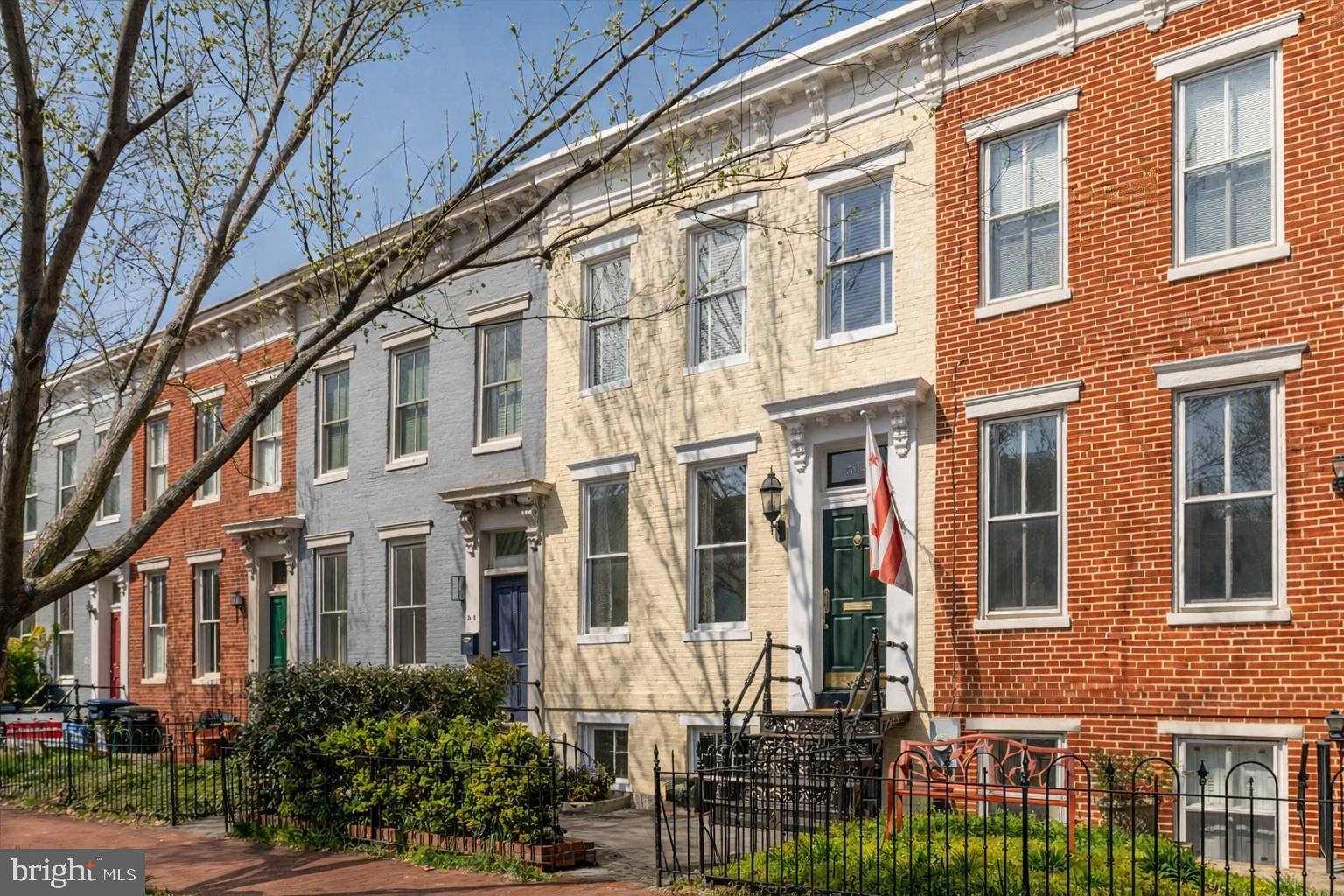
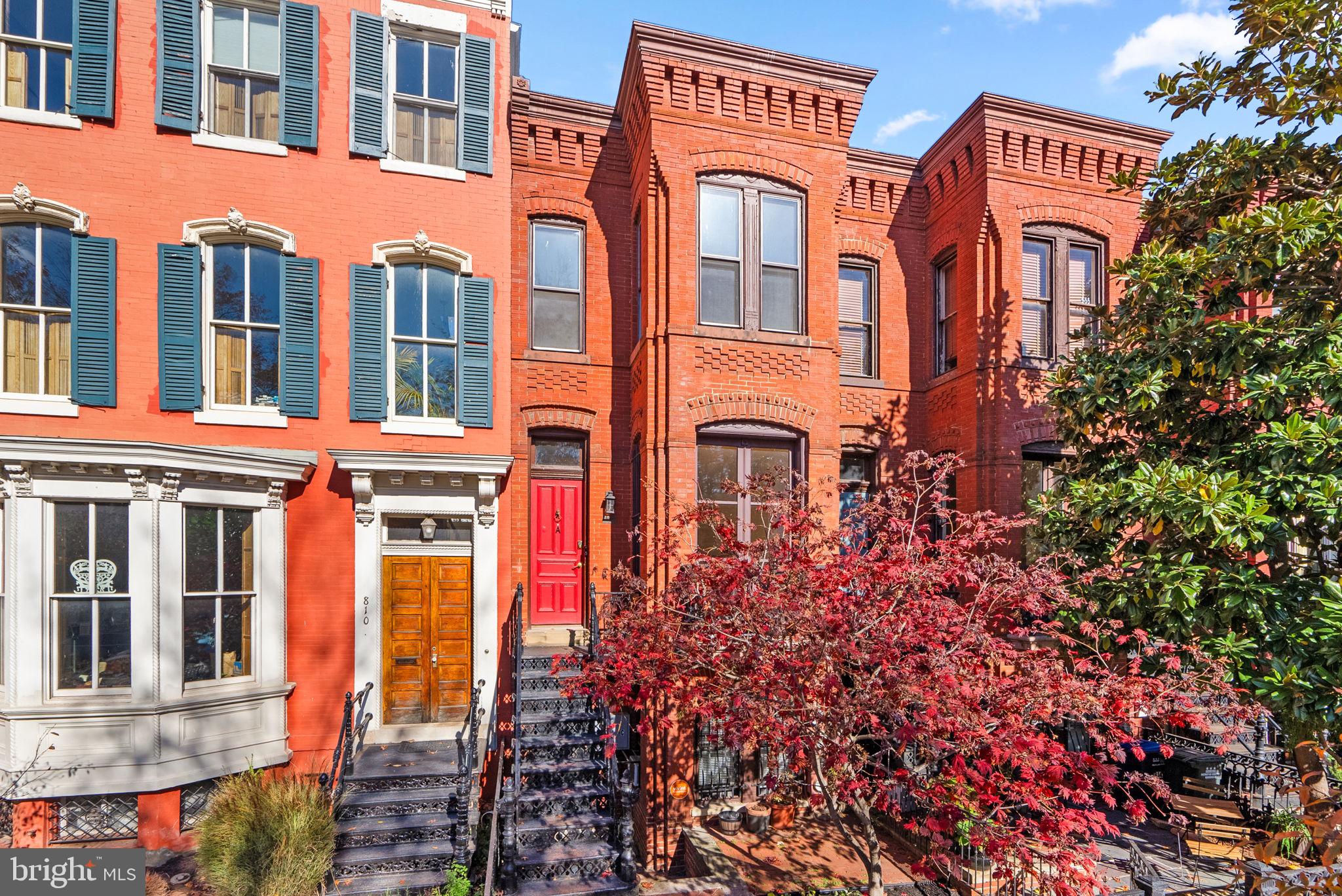
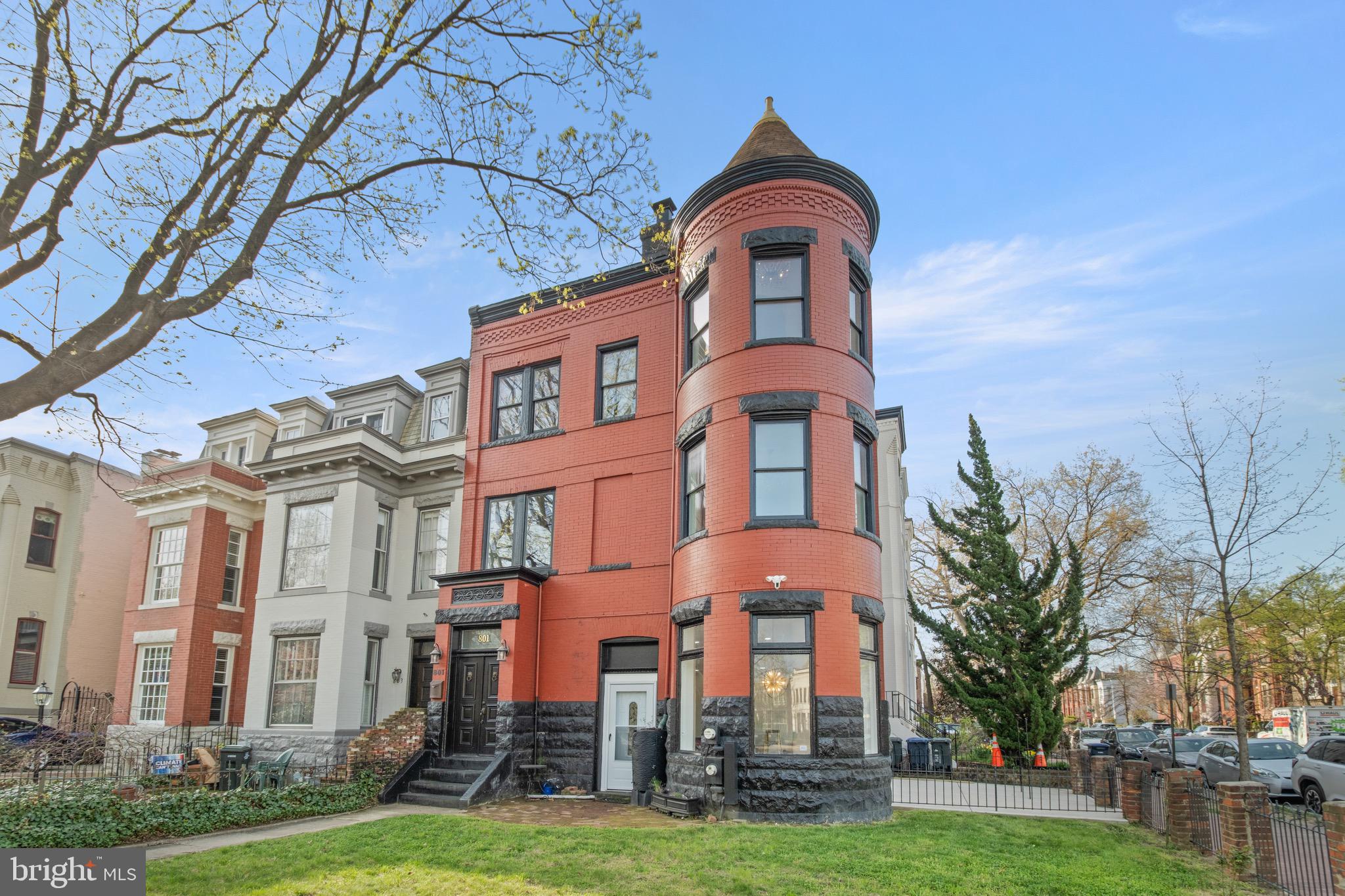
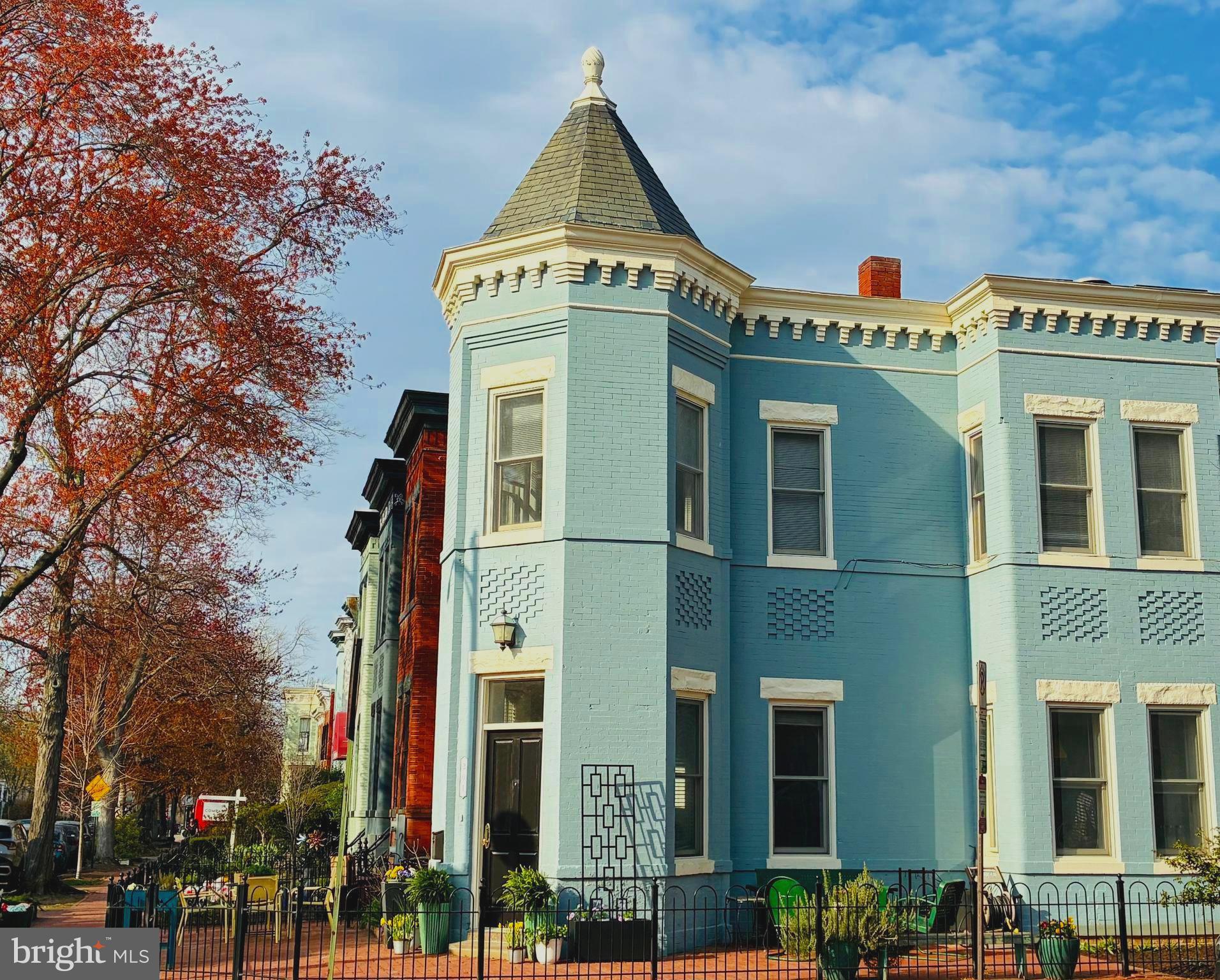
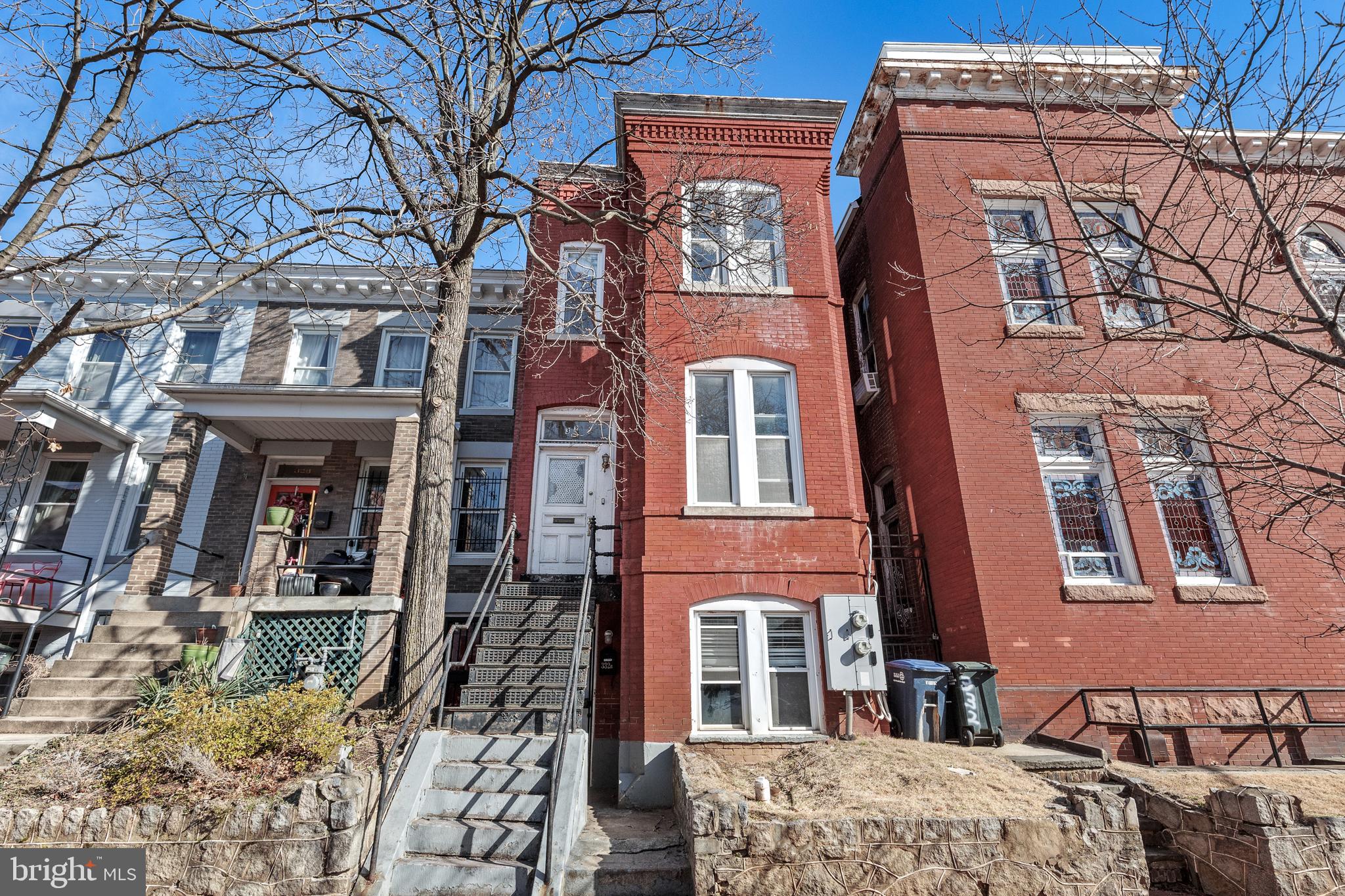
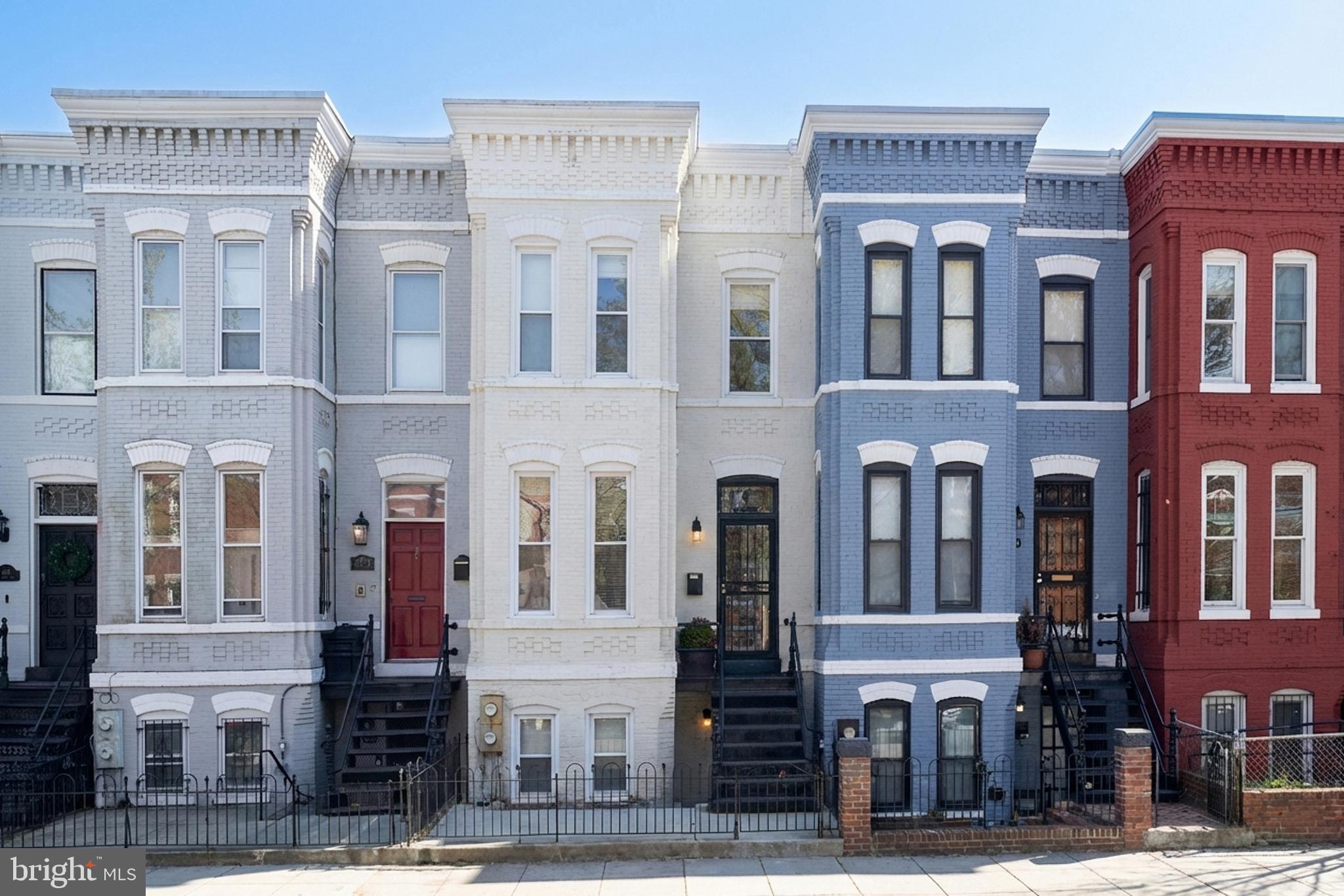
Capitol Hill's architectural landscape is one of the most defining elements of its character. Preservation efforts within the historic district have helped maintain the aesthetic integrity of its streetscapes, making each block feel like a curated gallery of American architectural history. The Federal rowhouse is the predominant style — flat façades, dormer windows, classic brickwork — originally built for congressmen, craftsmen, and city officials. Victorian influences emerged in the later 19th century in the form of Queen Anne and Romanesque Revival homes, identifiable by turrets, stained glass, and ornate woodwork. Near Potomac Avenue and the Navy Yard, modern infill projects have introduced contemporary townhomes and condos that blend sleek lines with the neighborhood's historic backdrop.
| Street / Zone | Character | Best For |
|---|---|---|
| East Capitol Street | Brick sidewalks, manicured gardens, postcard-worthy rowhouses stretching from the Capitol dome | Prestige buyers, historic architecture enthusiasts |
| Pennsylvania Ave SE | Blend of prestige and practicality; walkable to Capitol and Barracks Row | Professionals wanting daily convenience and location |
| Lincoln Park blocks (11th St SE, East Capitol NE) | Serene park views, large green space, close to Eastern Market and schools | Families prioritizing parks and school access |
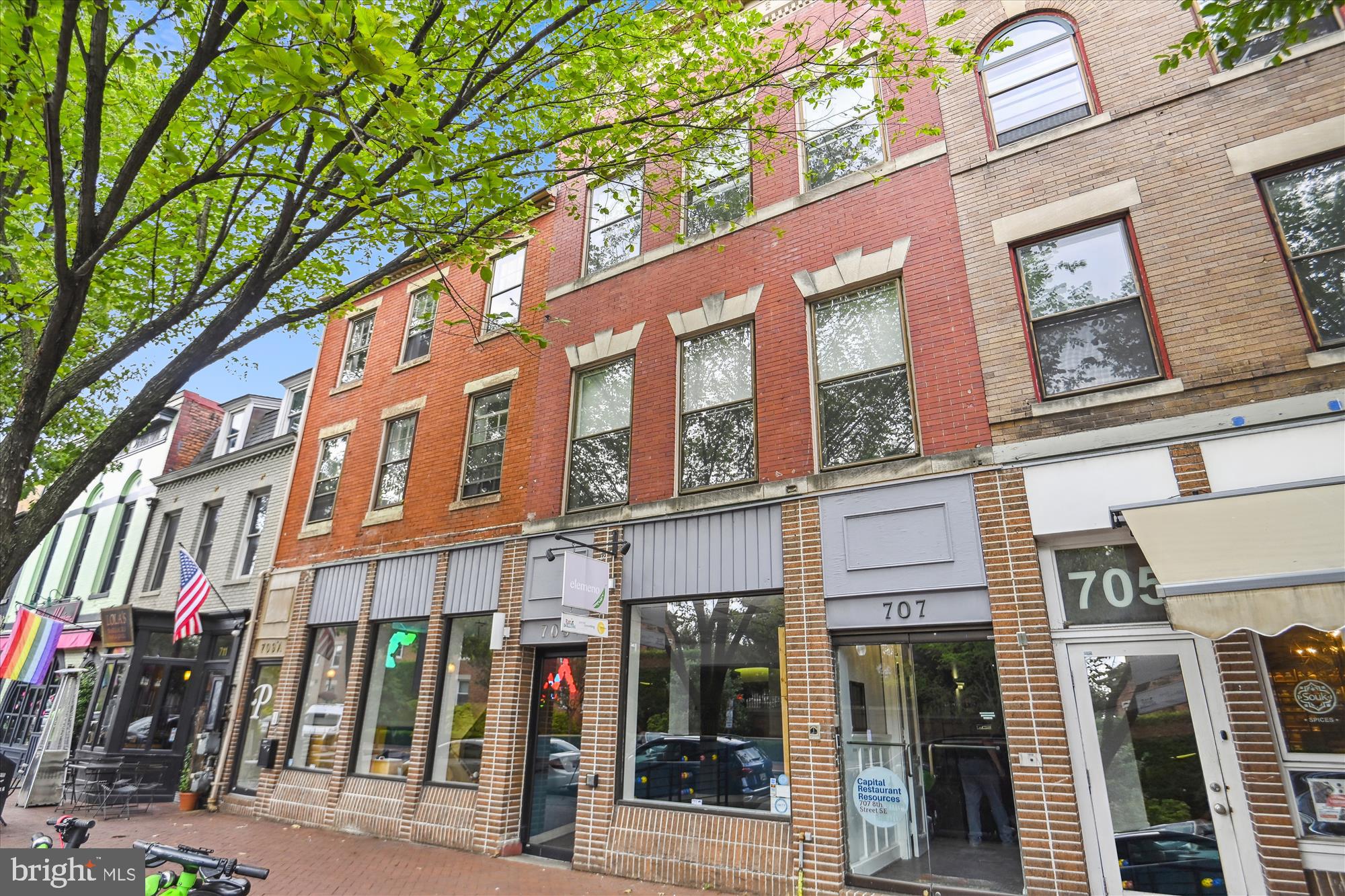
| Barracks Row (8th St SE) | Historic mixed-use; vibrant dining and retail energy | Buyers who want walkable restaurant access |
| Stanton Park Zone (4th–6th St NE) | Leafy streets, elegant rowhomes, relaxed pace | Policy and diplomatic community; quiet seekers |
| Potomac Ave / Navy Yard border | Rapid development; new condos alongside historic homes | Buyers wanting Capitol Hill character with modern builds |
East Capitol Street and the Lincoln Park blocks see the lowest days-on-market and highest competition. Buyers targeting these zones benefit most from pre-market relationships with local agents — many transactions never hit the public MLS.
Capitol Hill is one of Washington DC's most iconic neighborhoods, deeply woven into the city's political and cultural fabric. Given its proximity to the U.S. Capitol and other government buildings, it naturally attracts politicians, staffers, and policy professionals. Despite differing political views, there's a strong sense of community that transcends ideology — a village-like feel, where neighbors interact regularly over the fence, at community meetings, or during weekend outings.
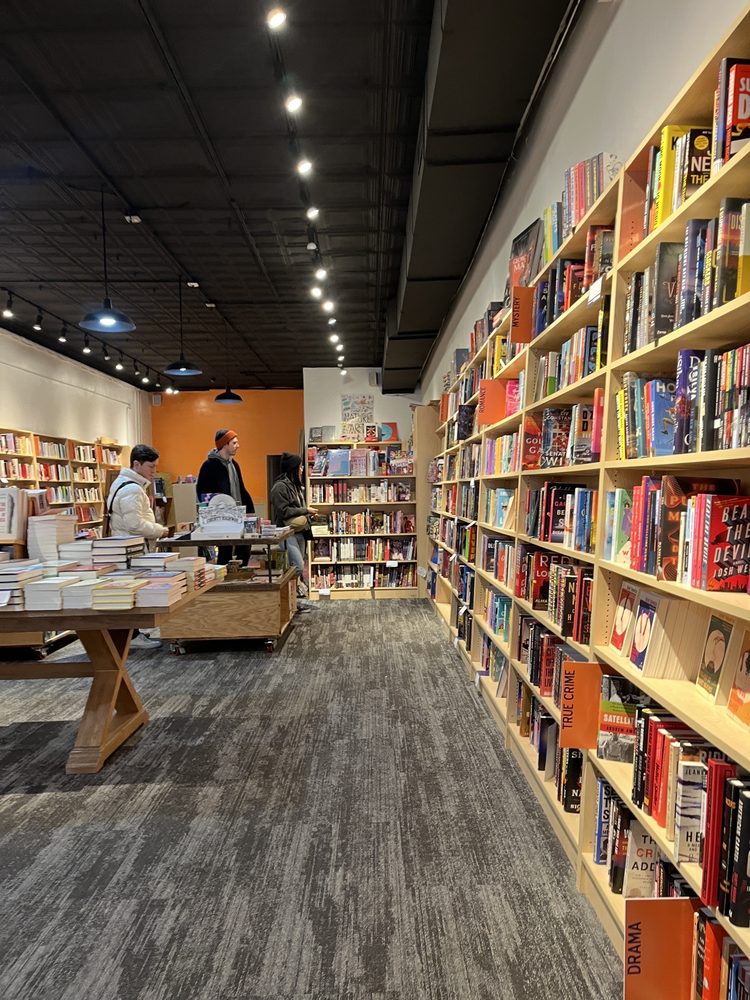
Residents take pride in locally-owned businesses. Small corner stores, mom-and-pop shops, and family-run restaurants form the backbone of the neighborhood, actively supported by locals. On weekdays, the neighborhood bustles with government workers, lobbyists, and journalists. Morning coffee at Peregrine Espresso, power lunches at Hawk 'n' Dove, and evenings at Tune Inn — the energy is palpable but purposeful. Weekends slow to a more leisurely pace: Eastern Market vendors, Lincoln Park joggers, and brunch crowds at Ted's Bulletin on Barracks Row.
| Corridor | Type | Highlights |
|---|---|---|
| Barracks Row (8th St SE) | DC's oldest commercial district | Ted's Bulletin, Rose's Luxury, boutique shops; Friday Evening Parade at Marine Barracks in summer |
| Eastern Market | Historic public market (est. 1873) | Fresh produce, local meats, artisanal cheese; weekend open-air bazaar with handcrafted jewelry, vintage, artwork |
| Pennsylvania Ave SE | Mixed café and gastropub strip | Cozy cafés, lively gastropubs, international eateries |
| H Street NE | Arts and bar district | Atlas Performing Arts Center, craft cocktail bars, trendy dining |
| Navy Yard | Waterfront dining and retail | Nationals Park area, modern restaurants, waterfront bars |
| Independent shops | Neighborhood retail | Hill's Kitchen (kitchenware), East City Bookshop, Capitol Hill Books, antique shops |
Lincoln Park, the neighborhood's largest, sits just east of the U.S. Capitol and serves as a hub for runners, dog walkers, and families. Wide pathways, historic statues, and playgrounds make it a daily gathering place. Stanton Park, on the NE side, offers a quieter retreat with shaded benches and well-manicured gardens — popular with the Stanton Park community. The Anacostia Riverwalk Trail, just south of Capitol Hill, provides miles of scenic biking and jogging paths connecting residents to the Navy Yard, RFK Stadium, and Kenilworth Aquatic Gardens. The U.S. Botanic Garden, landscaped by Frederick Law Olmsted at the foot of the Capitol, offers free year-round programming.
| Attraction | Type | What It Offers |
|---|---|---|
| U.S. Capitol | Civic landmark | Guided tours, Rotunda, direct connection to the nation's legislative history |
| Library of Congress | Cultural institution | World's largest library; public readings, exhibitions, and children's programming |
| Supreme Court | Civic landmark | Guided tours, oral argument sessions open to the public |
| Folger Shakespeare Library | Performing arts | Elizabethan theater; plays, poetry readings, academic talks |
| U.S. Botanic Garden | Gardens | Free year-round horticultural displays; tropical collections, outdoor gardens |
| Marine Barracks Washington | Historic military | Established 1801; Friday Evening Parade open to public in summer |
| Eastern Market | Historic market | Est. 1873; vendors, weekend flea market, live music, street performers |
| School | Type | Grades | Notable |
|---|---|---|---|
| Brent Elementary | DCPS public | PK–5 | Strong academics, diverse student body, active parent community |
| Watkins Elementary | DCPS public | PK–5 | Part of the Hill cluster; continuity PK–8 with Stuart-Hobson |
| Stuart-Hobson Middle | DCPS public | 6–8 | Hill cluster continuity; community embedded school |
| Eastern High School | DCPS public | 9–12 | Recently revitalized; growing IB program, modern facilities |
| Capitol Hill Montessori at Logan | Charter | PK–8 | Non-traditional, Montessori approach |
| Two Rivers Public Charter | Charter | PK–8 | Project-based learning, nearby option |
| Capitol Hill Day School | Private | PK–8 | Small class sizes, tight-knit community |
| St. Peter School | Private/faith-based | PK–8 | Catholic school; community-driven ethos |
The Jeanne Phil Meg Team can map specific blocks to school boundaries and help you understand which streets feed which campuses — before you make an offer.
Talk to the Team →| Transit Option | Lines / Routes | Key Connections |
|---|---|---|
| Capitol South Metro | Blue / Orange / Silver | Federal Triangle, Pentagon, Rosslyn, Dulles corridor |
| Eastern Market Metro | Blue / Orange / Silver | L'Enfant Plaza, Crystal City, National Airport |
| Potomac Avenue Metro | Blue / Orange / Silver | Stadium-Armory, Largo, downtown DC |
| Union Station Metro | Red | Dupont Circle, Bethesda; plus Amtrak, MARC, VRE regional rail |
| Metrobus / DC Circulator | Multiple routes | Connects Capitol Hill to all quadrants of the city |
| I-395 / I-695 | Highway | Virginia and Maryland suburban connections |
Capitol Hill is one of the most walkable neighborhoods in DC. Its pedestrian-friendly layout, tree-lined streets, and density of transit make car-free living practical. Street parking is limited — residents can apply for Residential Parking Permits (RPPs) to ensure access near their homes. Any property purchase should include a parking review early in the process.
Capitol Hill attracts a remarkably diverse, mission-driven population — drawn not only to its location, but to the sense of purpose, tradition, and community woven into its streets. People love Capitol Hill for different reasons, but the through-line is almost always the same: they came for the location and stayed for the community.
Government professionals and policy makers are the neighborhood's backbone — congressional staffers, lobbyists, lawyers, and journalists. The proximity to the Capitol, Metro lines, and Union Station supports demanding professional schedules, and the historic homes add gravitas to daily life and dinner parties. Families and long-term residents are drawn by strong schools, tight-knit blocks, and abundant parks — many neighbors have lived on the same block for decades. Creatives and cultural enthusiasts — writers, educators, arts professionals — find inspiration in the neighborhood's libraries, bookstores, and history-steeped scenery. Relocators and international residents, thanks to nearby embassies and federal agencies, make Capitol Hill home from all over the world, drawn by both professional opportunity and the chance to live inside a uniquely American story.
Capitol Hill lacks the high-energy nightlife found in Adams Morgan or U Street. While bars and restaurants line Pennsylvania Avenue, Barracks Row, and H Street, the neighborhood isn't a nightlife destination — it caters more to relaxed evenings at cozy pubs, intimate dining spots, and neighborhood cafés. Capitol Hill also forms DC's easternmost border, making it slightly more removed from some western neighborhoods. That said, four Metro stations and strong bus coverage mean most of the city is accessible within reasonable commute times. Buyers who understand this trade-off tend to be exactly the right fit for the Hill.
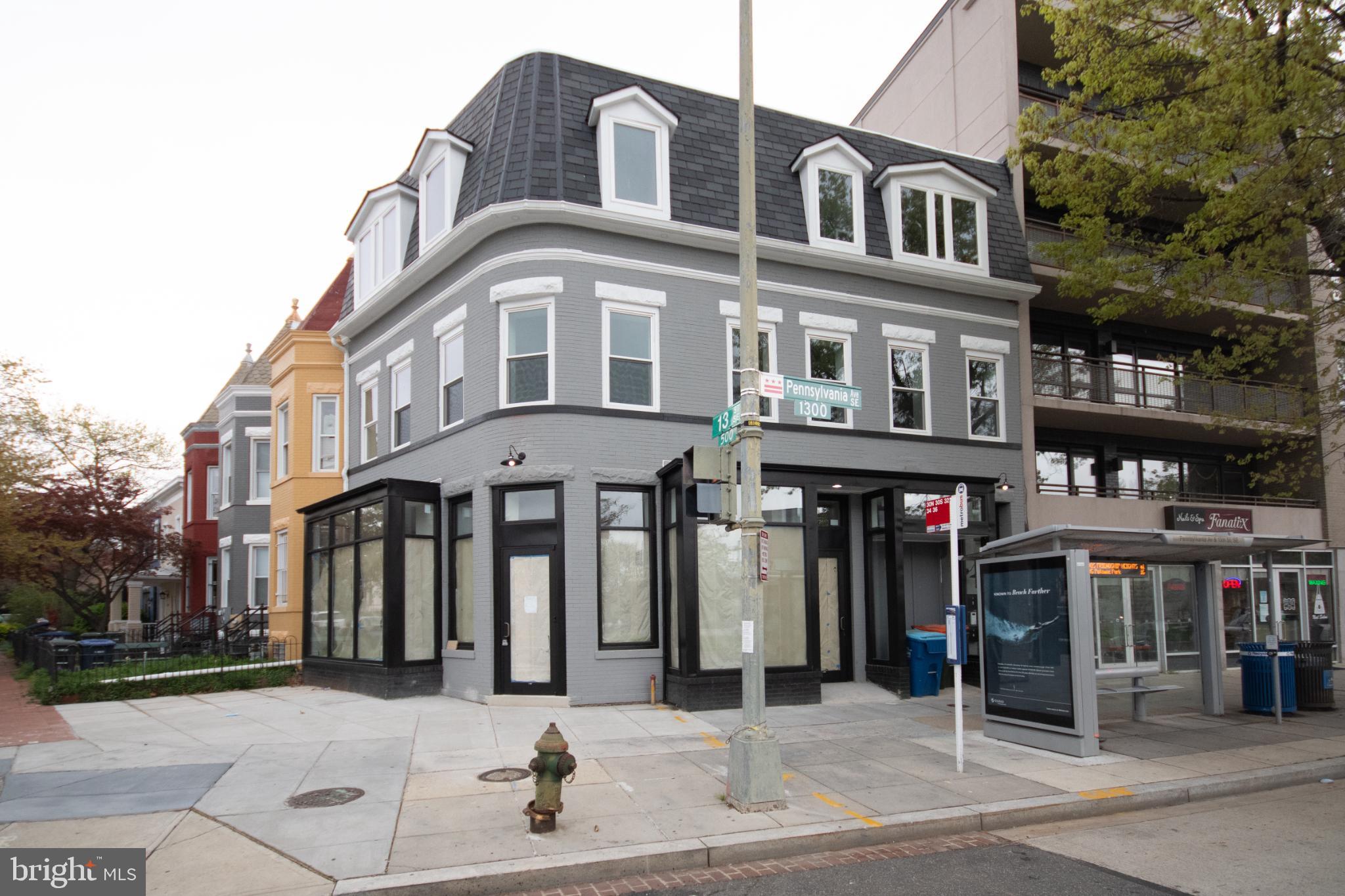
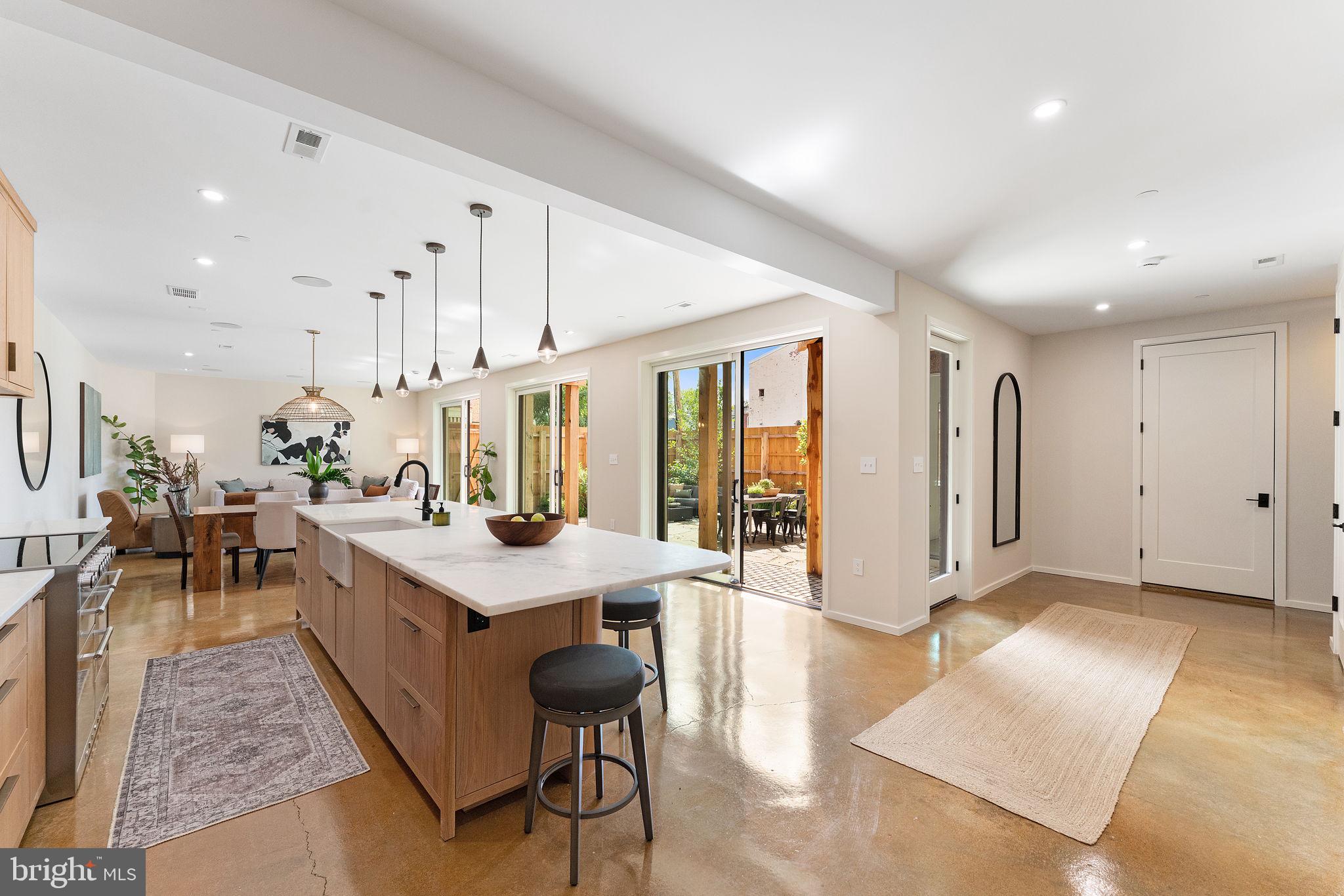
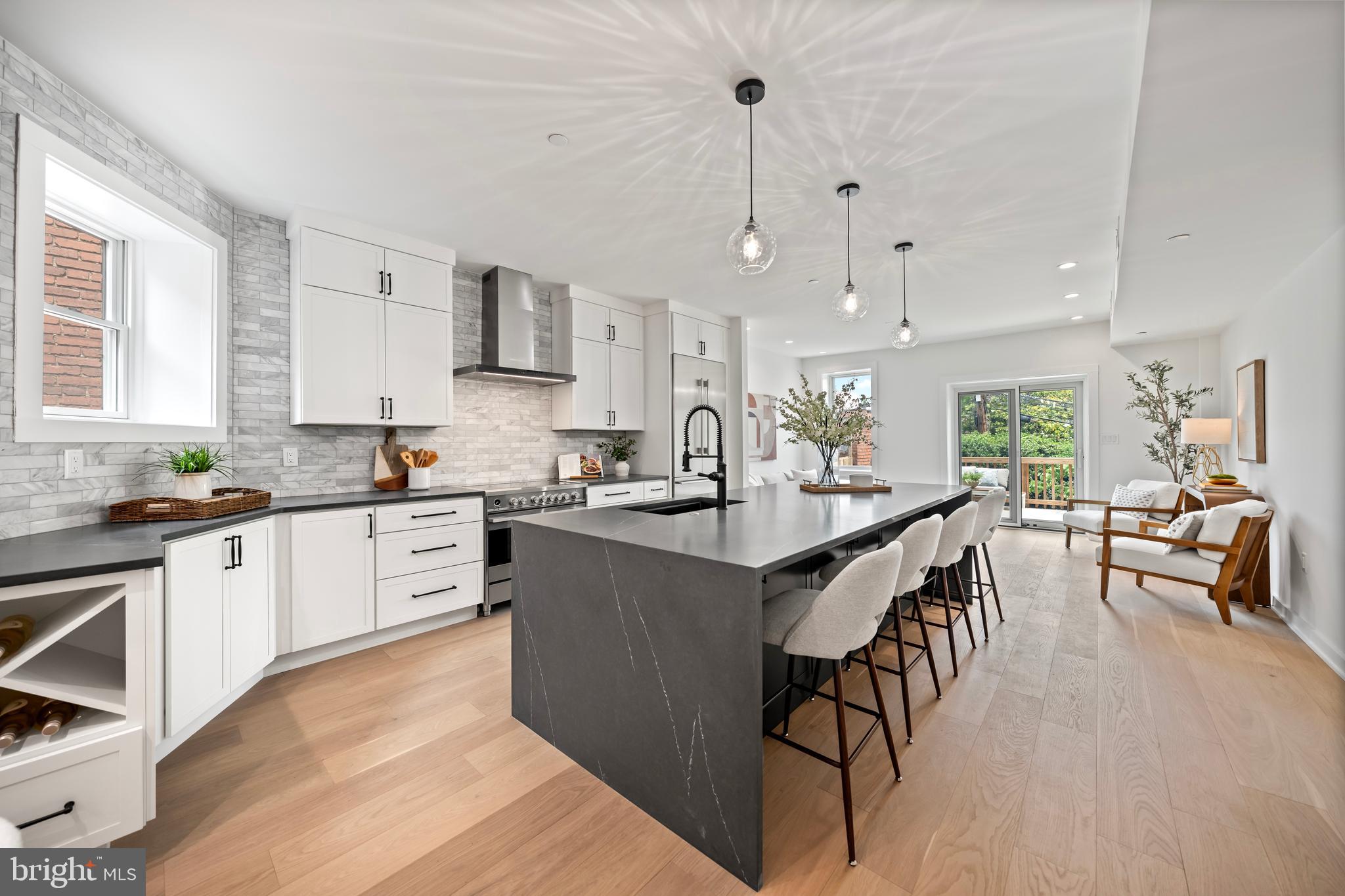
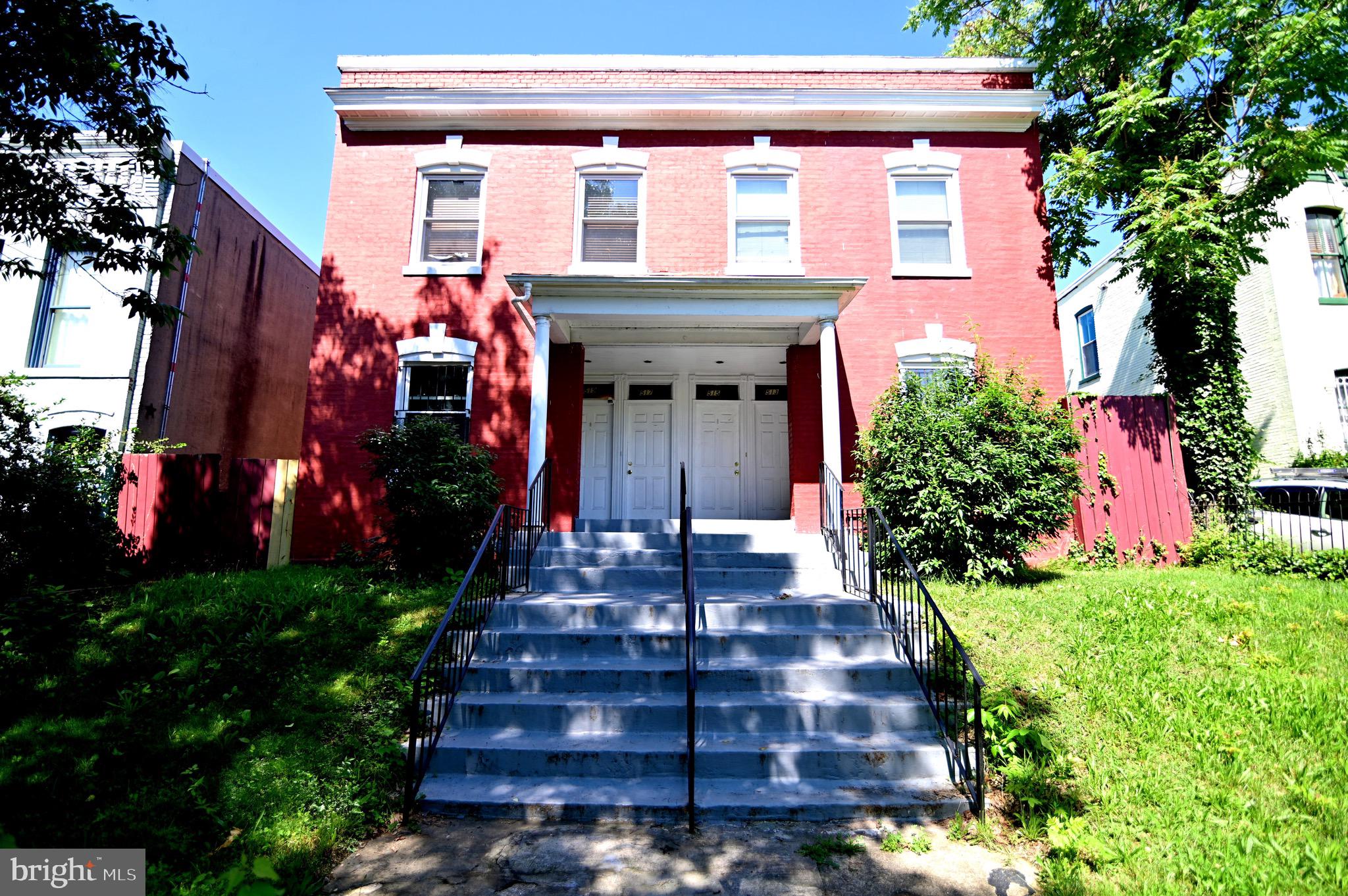
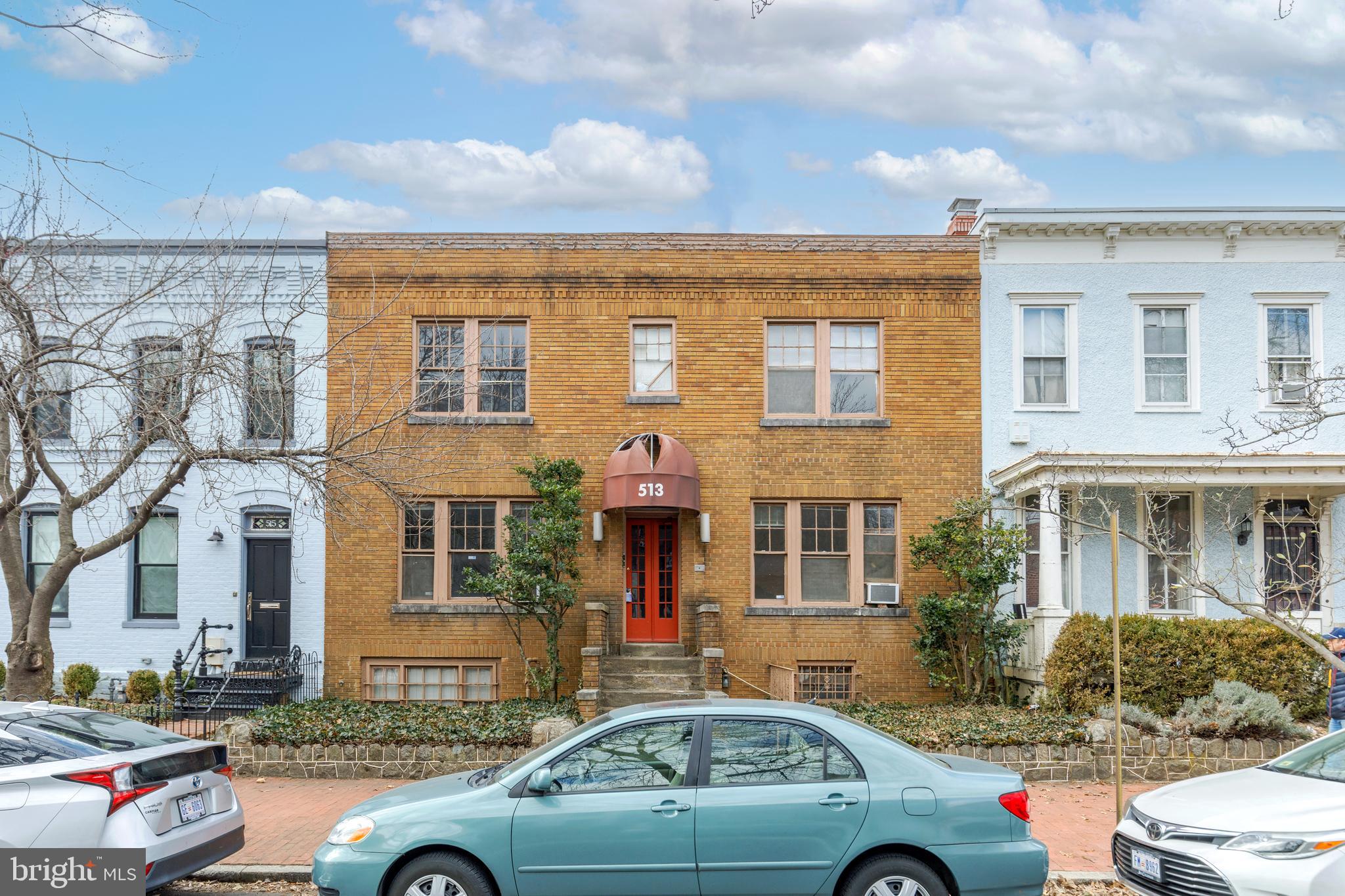
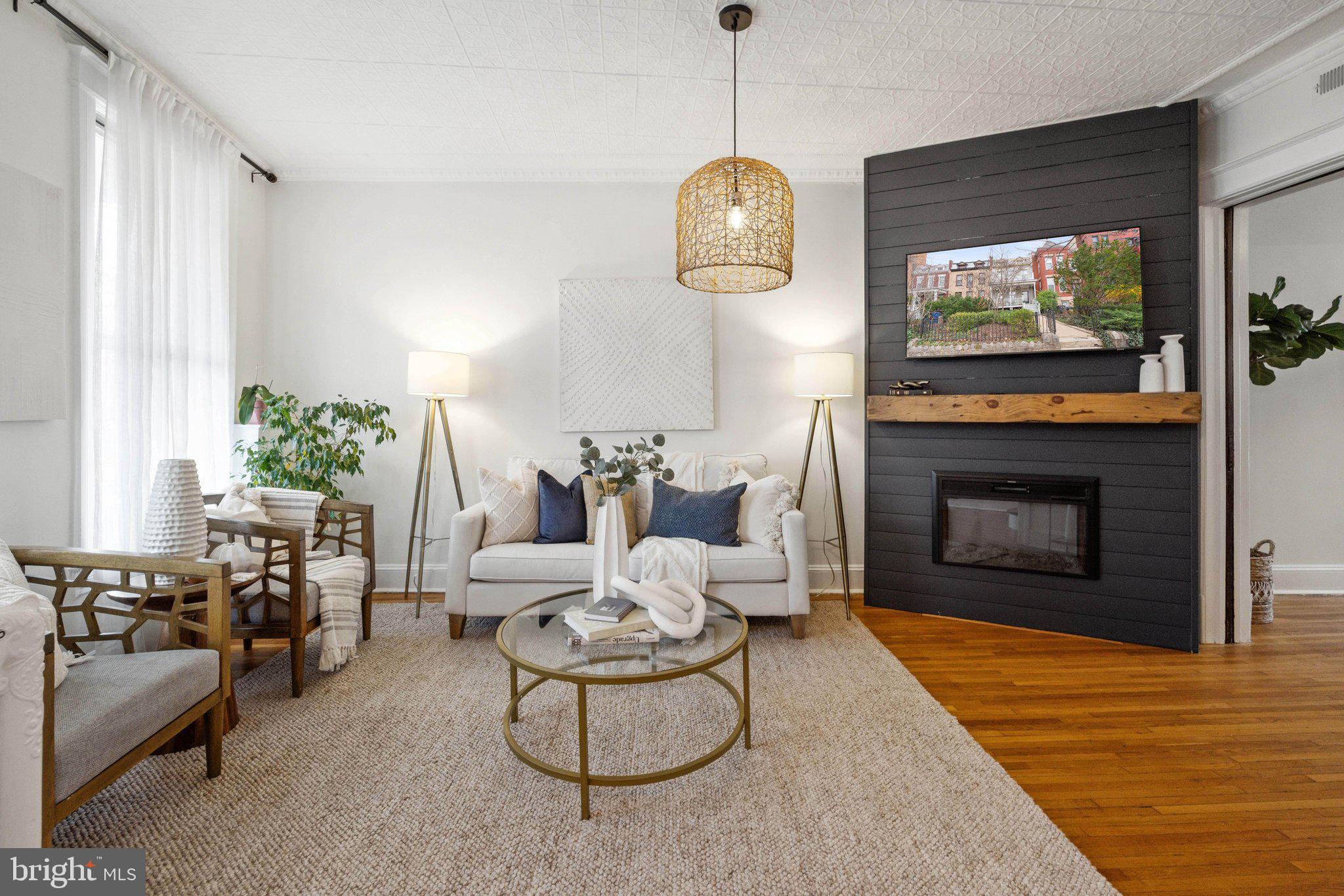
Capitol Hill's real estate market features classic 19th-century rowhouses, newly built condos, and a handful of apartment buildings. The historic homes — many dating to the early 1800s — showcase iconic DC architecture with brick façades, charming front porches, and tree-lined streets. While Eastern Market and the heart of Capitol Hill SE are the most desirable and competitive, housing options extend north and east with a broader range of choices. Larger condos, contemporary townhomes, and new developments can be found along Potomac Avenue and near Nationals Park at the Navy Yard, offering more modern living while maintaining Capitol Hill's convenience and character.
Whether you're looking for a historic rowhouse or a stylish new condo, the Jeanne Phil Meg Team can guide you through Capitol Hill's competitive market. Many of the best properties here move through relationships before hitting the MLS — local expertise matters more in this neighborhood than almost anywhere else in DC.
The Jeanne Phil Meg Team has deep roots in every sub-neighborhood on the Hill — and the relationships to find you options that never go public.
Start the Conversation →Capitol Hill was designated a historic district in 1976. It is now the largest residential historic district in Washington DC, preserving the architecture and cultural fabric of one of the city's oldest neighborhoods.
Capitol Hill is served by Capitol South, Eastern Market, and Potomac Avenue stations on the Blue, Orange, and Silver Lines. Union Station, just north of the neighborhood, provides Red Line access plus Amtrak, MARC, and VRE regional rail service.
The most sought-after addresses are East Capitol Street (stretching from the Capitol dome), Pennsylvania Avenue SE, and the blocks flanking Lincoln Park including 11th Street SE and East Capitol NE. The Stanton Park zone (4th–6th Streets NE) is coveted for its leafy streets and elegant rowhouses.
Capitol Hill is served by Brent Elementary, Watkins Elementary, and Stuart-Hobson Middle School within the DCPS Hill cluster, as well as Eastern High School (with a growing IB program). Charter options include Capitol Hill Montessori at Logan and Two Rivers Public Charter. Private options include Capitol Hill Day School and St. Peter School.
Capitol Hill features Federal rowhouses (the predominant style, dating to the early 1800s), Queen Anne, Romanesque Revival, Italianate, and Beaux-Arts homes throughout the historic district. Near Potomac Avenue and the Navy Yard, contemporary townhomes and condos have been added through modern infill development.
Barracks Row on 8th Street SE is DC's oldest commercial district and Capitol Hill's primary dining corridor. Notable spots include Ted's Bulletin for classic American and Rose's Luxury for upscale Italian. The street also hosts boutique shops and the Marine Barracks Washington, where the Friday Evening Parade draws crowds in summer.
The Jeanne Phil Meg Team offers deep insight into every micro-neighborhood on the Hill — from historic rowhouses to modern condos, from East Capitol Street to the Navy Yard border. Let's find the right fit.
Contact the Team →There's plenty to do around Capitol Hill, including shopping, dining, nightlife, parks, and more. Data provided by Walk Score and Yelp.
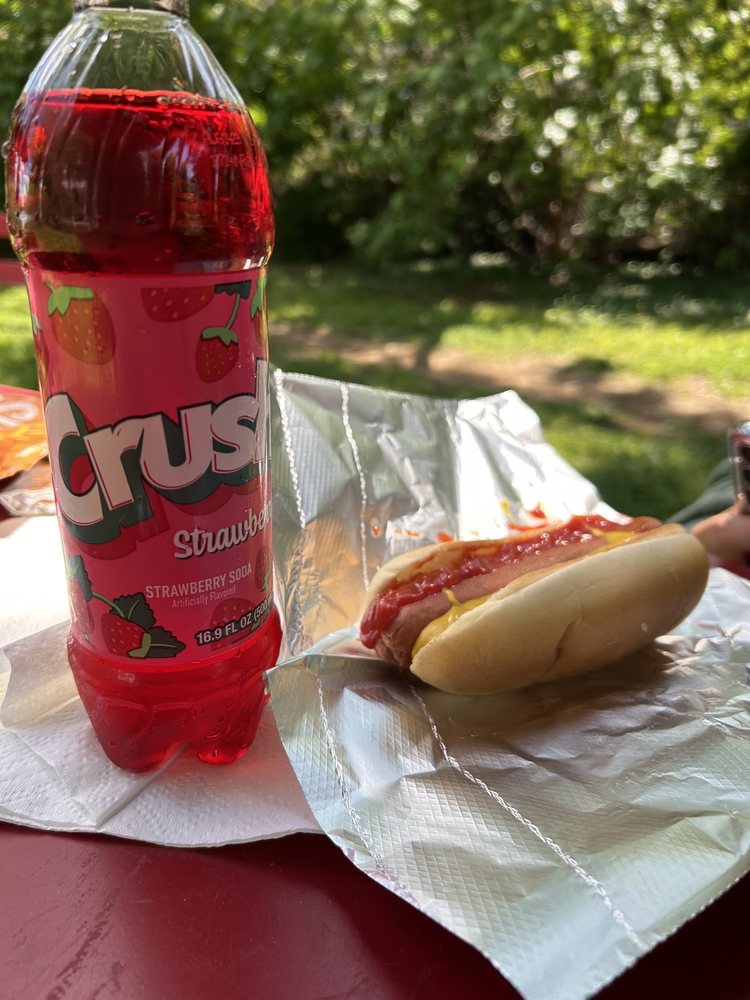
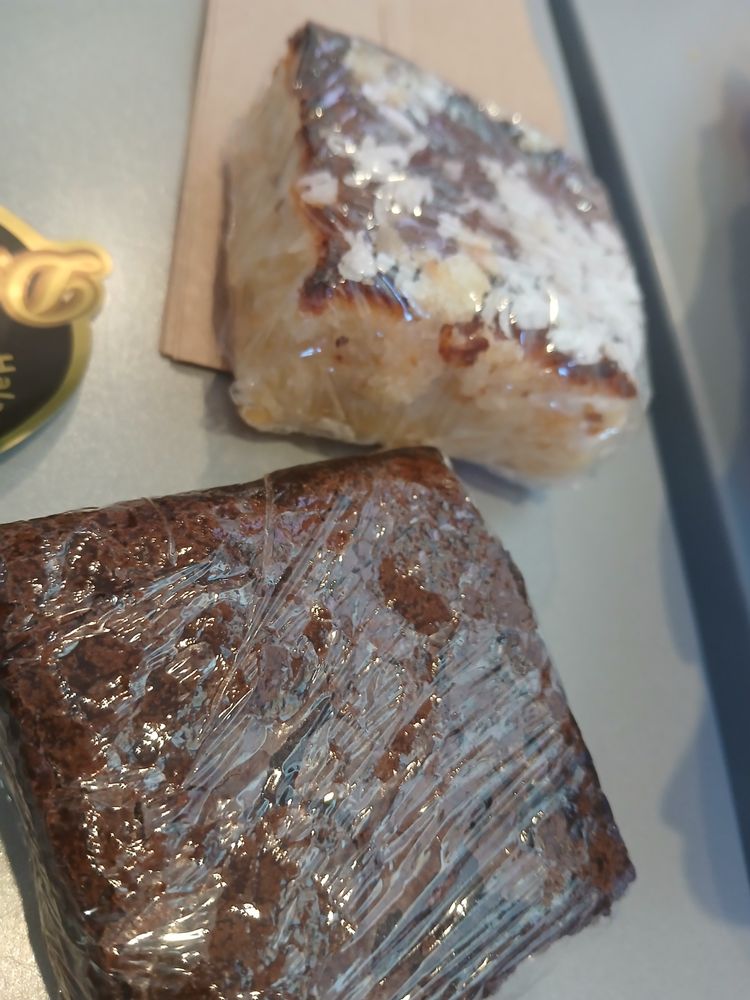
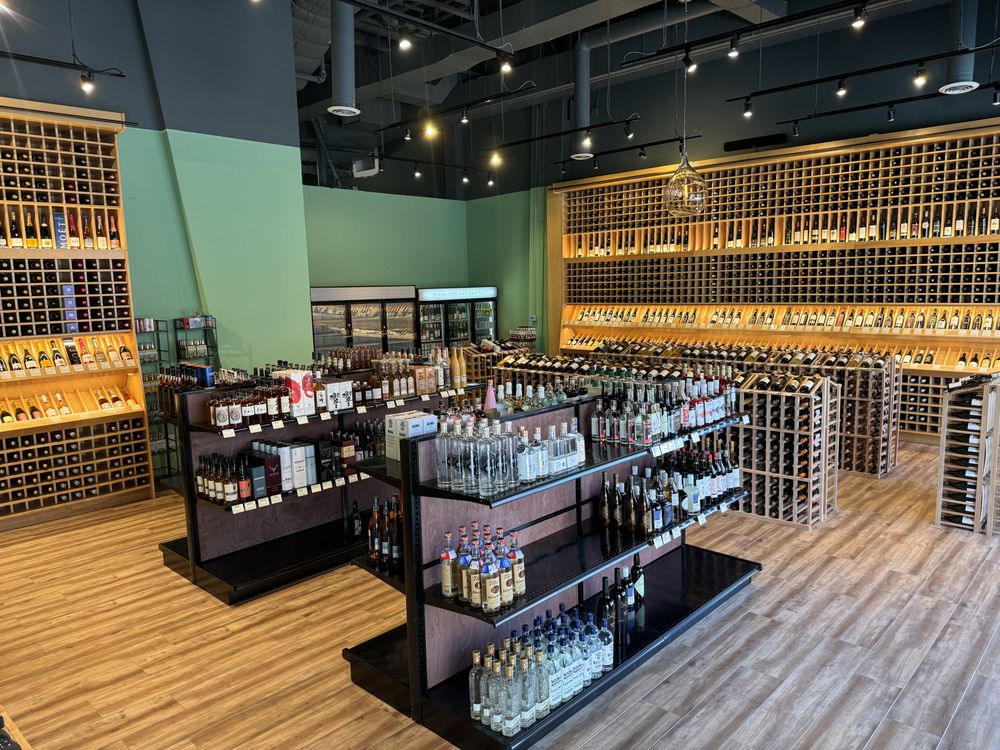
Explore popular things to do in the area, including Little Engine , Sweet Tooth Cafe & Cakes, and Sami's Hot Dog Cart.
| Name | Category | Distance | Reviews |
Ratings by
Yelp
|
|---|---|---|---|---|
| Dining | 0.17 miles | 15 reviews | 4.9/5 stars | |
| Dining | 1.76 miles | 20 reviews | 4.9/5 stars | |
| Dining · $ | 1.36 miles | 107 reviews | 4.9/5 stars | |
| Dining · $ | 1.54 miles | 137 reviews | 4.9/5 stars | |
| Dining | 3.49 miles | 93 reviews | 4.9/5 stars | |
| Dining | 0.57 miles | 28 reviews | 4.9/5 stars | |
| Dining | 1.61 miles | 18 reviews | 4.8/5 stars | |
| Shopping | 0.57 miles | 11 reviews | 5/5 stars | |
| Shopping | 0.26 miles | 60 reviews | 4.9/5 stars | |
| Shopping | 2.57 miles | 13 reviews | 4.8/5 stars | |
| Active | 1.32 miles | 10 reviews | 5/5 stars | |
| Active | 1.07 miles | 46 reviews | 5/5 stars | |
| Active | 1.62 miles | 77 reviews | 4.9/5 stars | |
| Active | 1.88 miles | 47 reviews | 4.9/5 stars | |
| Active | 0.85 miles | 66 reviews | 4.9/5 stars | |
| Active | 0.81 miles | 7 reviews | 4.9/5 stars | |
| Beauty | 1.46 miles | 14 reviews | 5/5 stars | |
| Beauty | 0.22 miles | 12 reviews | 5/5 stars | |
| Beauty | 3.03 miles | 83 reviews | 5/5 stars | |
| Beauty | 0.34 miles | 31 reviews | 4.9/5 stars | |
| Beauty | 3.19 miles | 36 reviews | 4.9/5 stars | |
| Beauty | 1.4 miles | 124 reviews | 4.8/5 stars | |
| Beauty | 3.96 miles | 12 reviews | 4.8/5 stars | |
| Beauty | 0.66 miles | 99 reviews | 4.8/5 stars | |
|
|
||||
|
|
||||
|
|
||||
|
|
||||
|
|
||||
|
|
Capitol Hill has 13,563 households, with an average household size of 2. Data provided by the U.S. Census Bureau. Here’s what the people living in Capitol Hill do for work — and how long it takes them to get there. Data provided by the U.S. Census Bureau. 28,742 people call Capitol Hill home. The population density is 25,602.203 and the largest age group is Data provided by the U.S. Census Bureau.
Total Population
Population Density Population Density This is the number of people per square mile in a neighborhood.
Median Age
Men vs Women
Population by Age Group
0-9 Years
10-17 Years
18-24 Years
25-64 Years
65-74 Years
75+ Years
Education Level
Total Households
Average Household Size
Average individual Income
Households with Children
With Children:
Without Children:
Marital Status
Blue vs White Collar Workers
Blue Collar:
White Collar:
Capitol Hill is not just the center of the country’s political life; it is also one of ...
This picturesque community leans more toward city life in the District, which lies just...
With its leafy streets, numerous green spaces, and stately row homes, Dupont Circle has...
U Street has long been a backbone of the city’s homegrown jazz, arts, and civil rights ...
Sits right next-door to its eponymous university and has a self-contained campus feel o...
Developed at the turn of the century as a streetcar suburb of Washington, Columbia Heig...


Compass
660 Pennsylvania Ave., SE, #401, Washington, DC 20003
Jeanne Phil Meg Team